
Blog · marine protected areas
Four reserves, four seas: Paracas, San Fernando, Illescas and Dorsal de Nasca
Paracas, San Fernando, Illescas and Dorsal de Nasca are national reserves with very different relations to the sea: 65 % marine waters in Paracas, a unique inlet in San Fernando, a coast of rock and scrub in Illescas and a submarine mountain range 57 nautical miles offshore. Their master plans were approved in 2024 and 2025.
Published

Size, creation and current plan
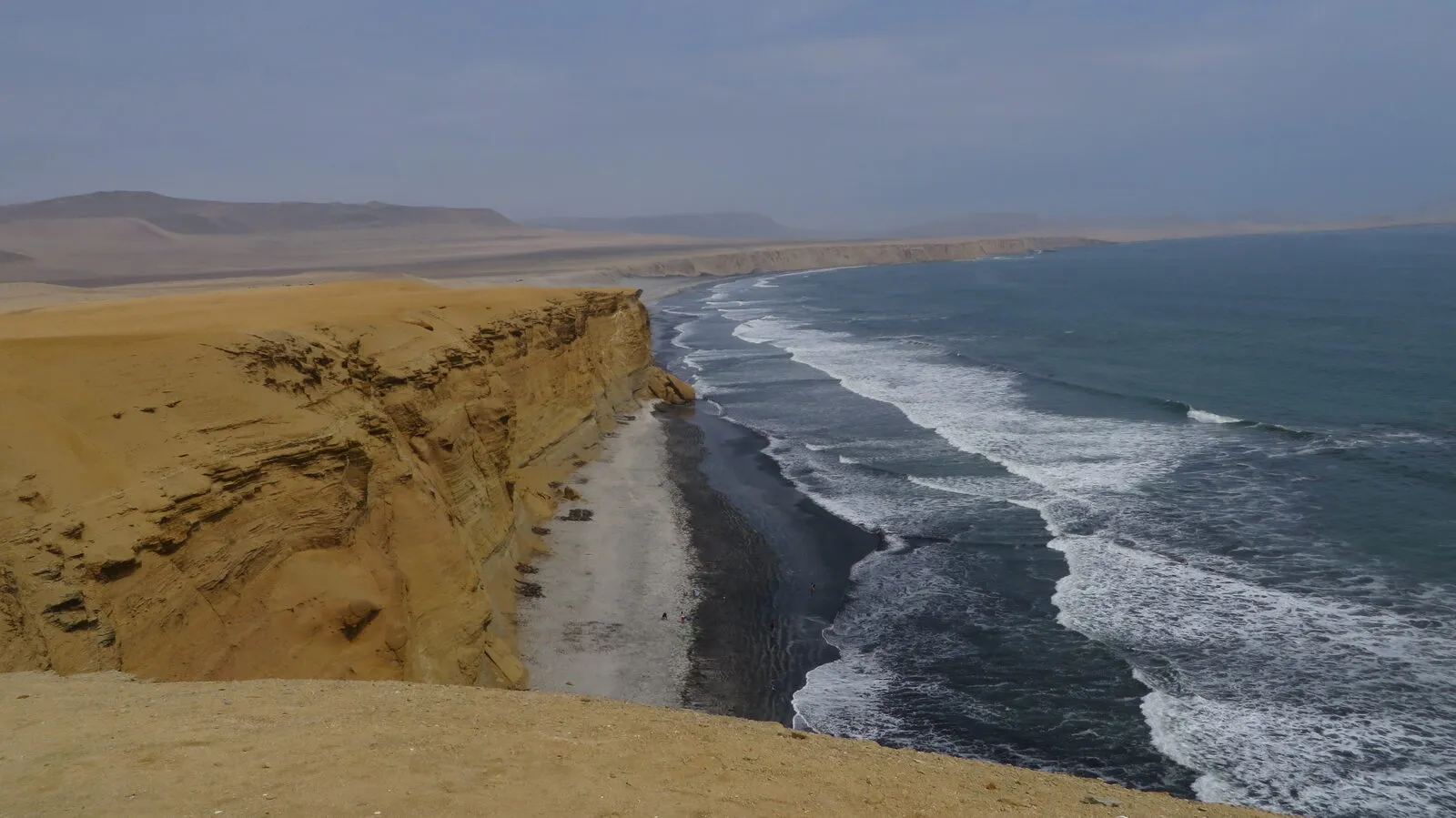
The Paracas National Reserve was established on 25 September 1975 by Supreme Decree 1281-AG and covers 335,000 ha, of which 65 % is marine waters (PDF, pages 8 and 9).1 In its ecosystem table, the marine-coastal ecosystem adds up to 217,320 ha, the wetland to 1,064 ha and the desert to 116,616 ha (PDF, page 14).1 The San Fernando National Reserve was a reserved zone from 21 July 2009 and was categorised as a national reserve by Supreme Decree 017-2011-MINAM, over 154,716.37 ha (PDF, page 8).3 Of that area, 42,717.99 ha is marine ecosystem, which the plan measures from the lower edge of the cliffs out to the ocean (PDF, page 26).3
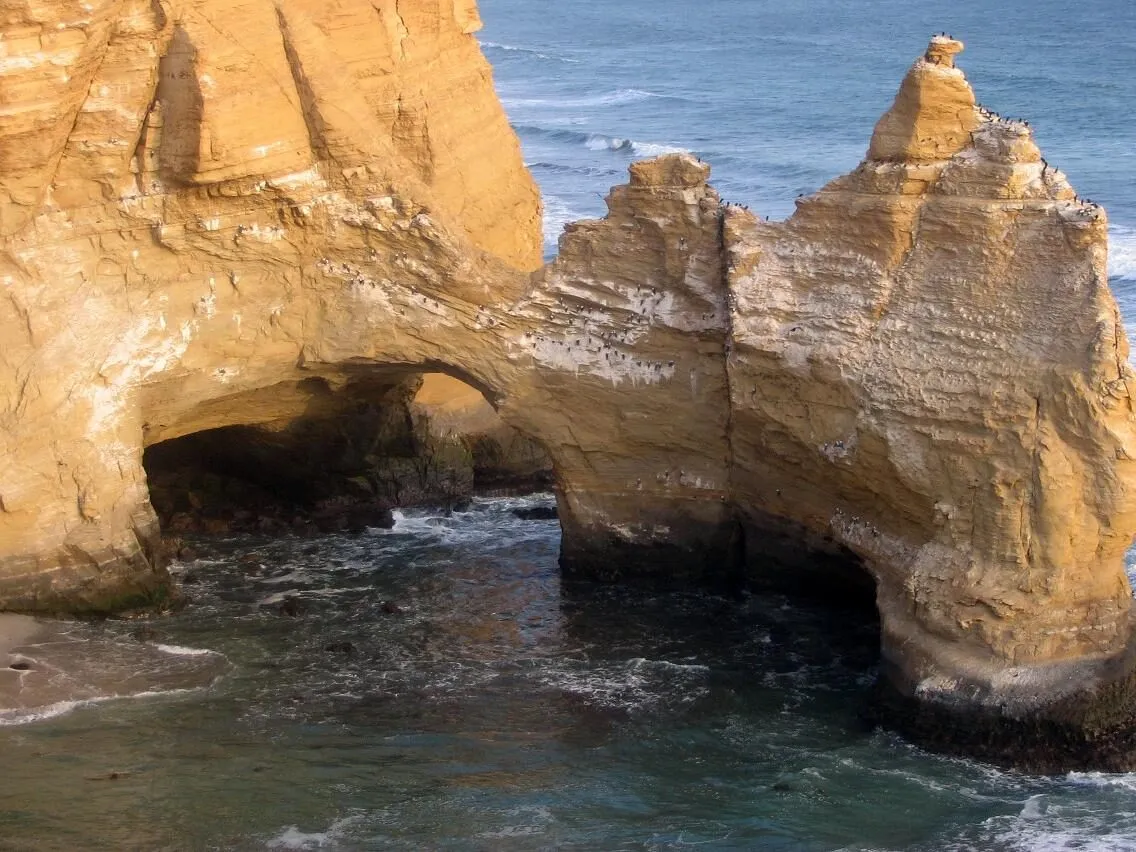

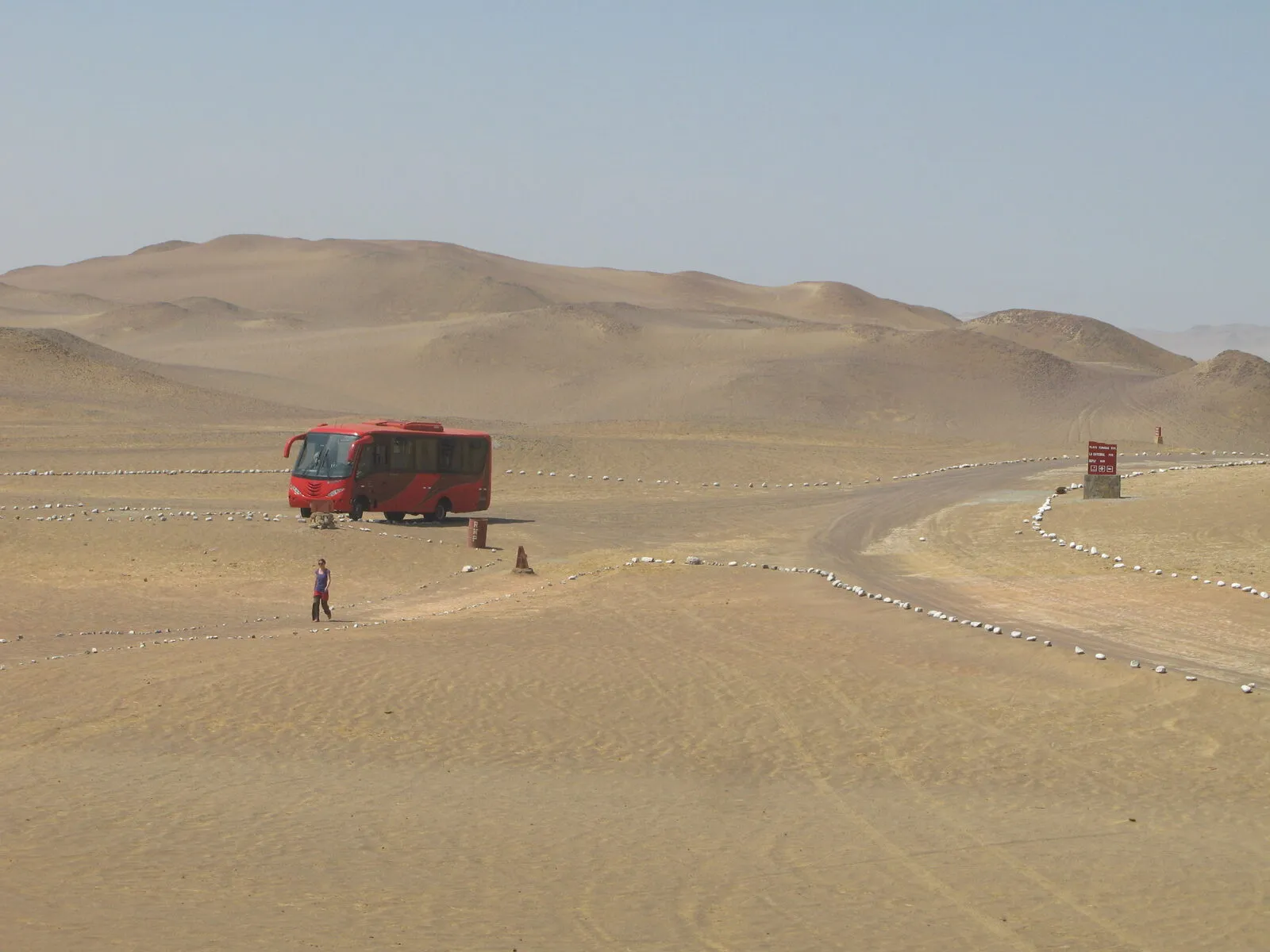

The Illescas National Reserve was established on 24 December 2021 by Supreme Decree 038-2021-MINAM (PDF, page 9).5 Its extent is 36,550.70 ha (PDF, page 16).5 The Dorsal de Nasca National Reserve was established on 5 June 2021 by Supreme Decree 008-2021-MINAM, over 62,392.0575 km², 57 nautical miles (105.56 km) off the coast of Ica (PDF, page 17).7 SERNANP's official list records it with 6,239,205.75 ha, which is the same area expressed in hectares.107
The official list, updated to 9 September 2026, gives for Paracas 25.09.1975 and 335,000 ha, for San Fernando 09.07.2011 and 154,716.37 ha, for Dorsal de Nasca 05.06.2021 and for Illescas 24.12.2021 and 36,550.70 ha (PDF, page 1).10 Paracas is the oldest of the four; the other three were created between 2011 and 2021.10 The list's footnote, which counts the country's marine surface, includes the whole of Dorsal de Nasca and only the marine part of Paracas and San Fernando; Illescas is not in it.10
Master plans: two first plans and two updates
The Paracas master plan 2025-2030 was approved by Executive Presidency Resolution 000173-2025-SERNANP/PE of 31 December 2025 and updates the 2016-2020 plan (PDF, pages 1 and 2).2 The same resolution modified the zoning and ratified the buffer zone approved in 2016 (PDF, page 3).2 The San Fernando plan 2025-2030 was approved on 29 December 2025 by Executive Presidency Resolution 000167-2025-SERNANP/PE and updates the 2019-2024 plan (PDF, pages 1 and 2).4 It also modified the zoning and ratified the buffer zone set in 2015 (PDF, page 3).4
The Illescas plan 2024-2028 is its first master plan (PDF, page 9).5 It was approved on 13 February 2024 by Presidential Resolution 000025-2024-SERNANP/J-SGD, which modified the zoning and established the buffer zone (PDF, pages 1 and 3).6 According to its recitals, the proposal reduces the direct-use zone and enlarges the tourist and recreational one (PDF, page 2).6 The Dorsal de Nasca plan 2024-2029 is also the first (PDF, page 12).7 It was approved on 5 March 2024 by Presidential Resolution 000040-2024-SERNANP/J-SGD (PDF, page 1).8 It did not modify the zoning, which remains vertical and without coordinates, and it proposed no buffer zone because information is missing for a landscape-scale conservation strategy (PDF, page 2).8
The visions run to 2045 in Paracas, 2045 in San Fernando, 2043 in Illescas and 2044 in Dorsal de Nasca (PDF, pages 14, 11, 10 and 28).1357
Three coasts: Paracas, San Fernando and Illescas
The Paracas plan recognises three ecosystems: marine-coastal, wetland and coastal desert (PDF, page 14).1 The reserve is on the Ramsar Convention's list of wetlands of international importance (1992), and the IMO recognises it as a Particularly Sensitive Sea Area for its vulnerability to maritime traffic (PDF, page 10).1 The country's main scallop bank lies in Independencia bay, and the reserve protects archaeological remains of the Paracas culture (PDF, pages 9 and 10).1 Its priority species are the Peruvian diving petrel (Pelecanoides garnotii), the Paracas gecko, the Humboldt penguin, the marine otter, the tern (Sternula lorata), the South American fur seal and the South American sea lion (PDF, page 14).1
San Fernando joins two very different sectors: in the north, the mouths of the Ica and Grande rivers, and in the south, San Fernando inlet, the coastal lomas and the cliffs of cerro Huasipara (PDF, page 8).3 The plan describes the inlet as a geographic feature unique on the Peruvian coast, with two parallel points and a large islet in the middle (PDF, page 8).3 The reserve was created to conserve marine-coastal ecosystems of the cold-sea Peruvian Current and warm-temperate Pacific desert ecoregions (PDF, page 8).3 Between the mouth of the Ica river and San Fernando, 13 cetacean species and four threatened sea turtle species have been recorded (PDF, page 27).3 The vision adds an Andean-coastal biological corridor with the guanaco and the Andean condor (PDF, page 11).3 For the South American sea lion the plan records 1,805 individuals in 2022 and 282 in 2024 (PDF, page 106).3
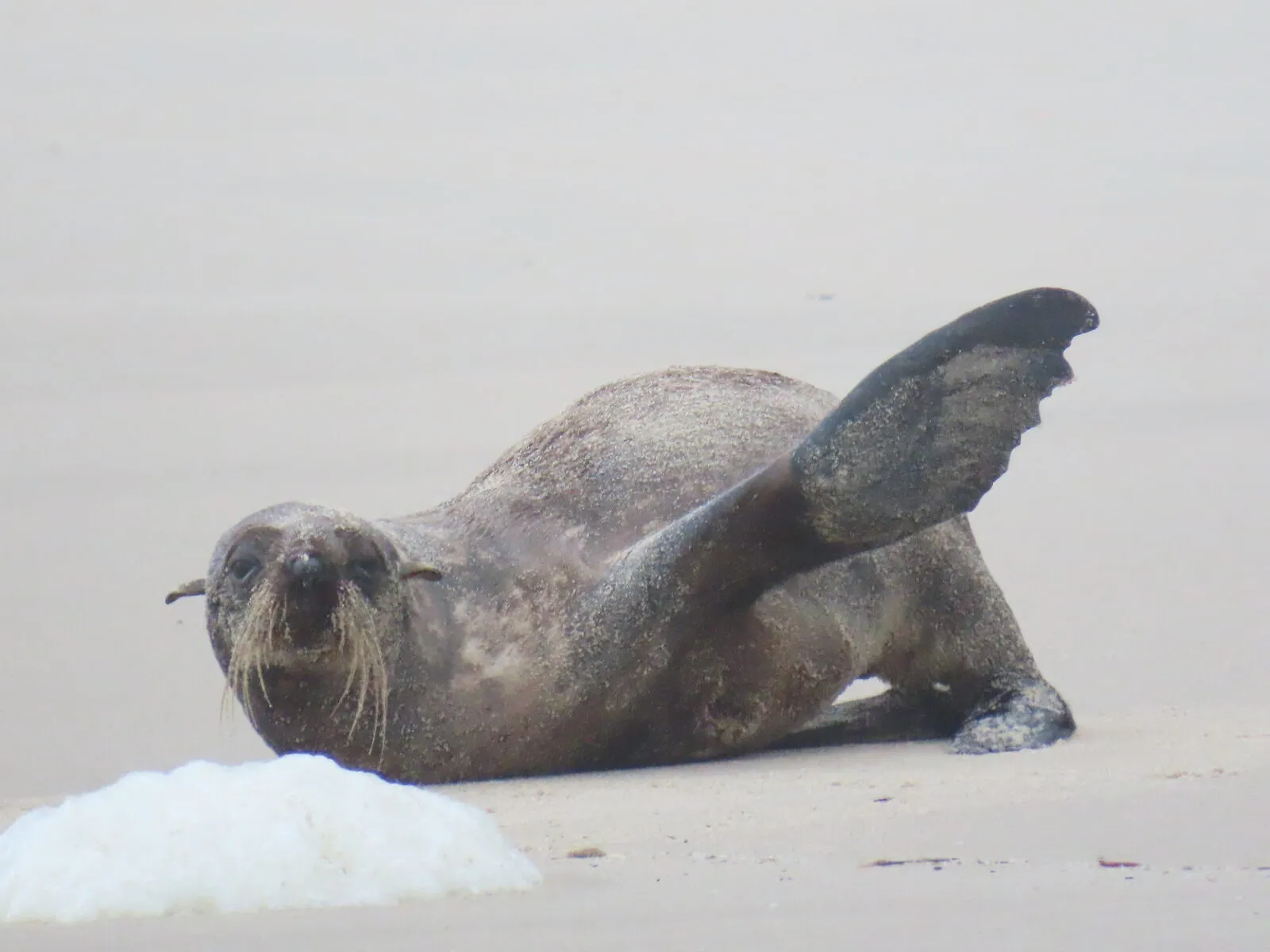

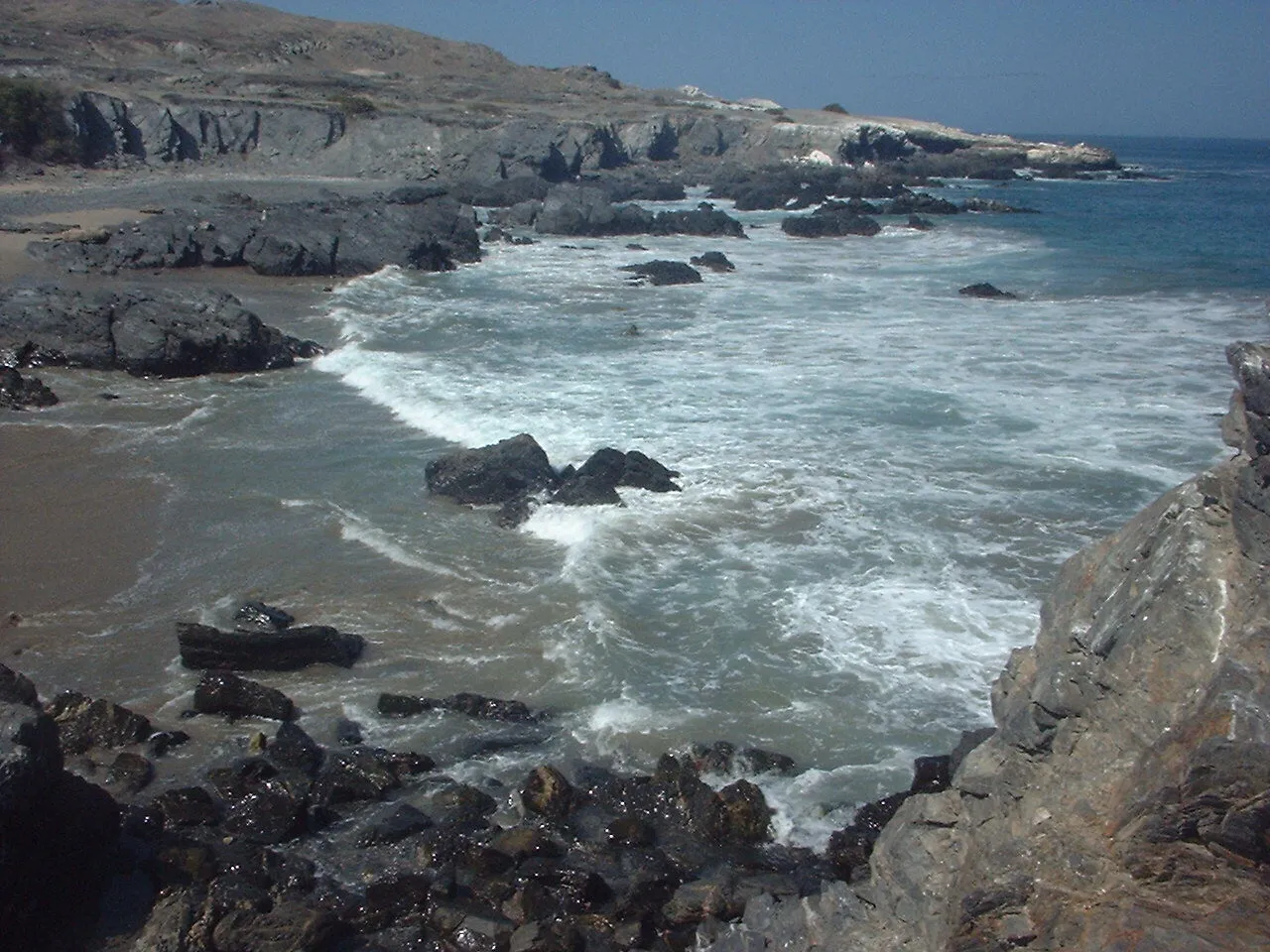
The ecosystems described in the Illescas plan are the Illescas massif (xeric scrub), the dry forest and the coastal desert, which add up to 100 % of the area; the sea is not among them (PDF, pages 11, 16 and 17).5 The plan nevertheless prioritises fauna tied to the sea: the South American sea lion, the Humboldt penguin and the sanderling, along with the pampas cat and the condor (PDF, pages 11 and 20).5 IMARPE's 2020 census counted 1,181 South American sea lions in the reserve's three colonies (PDF, page 18).5 The Andean condor feeds on dead sea lions on the beaches, and Illescas is the only place in the country with confirmed breeding of the species in areas next to the sea (PDF, pages 18 and 19).5 The reserve lies near Sechura bay, one of the five main centres of upwelling and primary productivity in the Peruvian sea (PDF, page 20).5

Open ocean: Dorsal de Nasca
The Dorsal de Nasca plan presents it as the Peruvian State's first protected area made up only of marine ecosystems, with a submarine mountain range at its centre (PDF, page 12).7 Its extent covers two ecosystems: the oceanic pelagic and the deep benthic (PDF, page 32).7 The reserve seeks to protect a representative part of the Nazca Ridge's marine ecosystems that lie in Peruvian waters (PDF, page 17).7 The plan itself acknowledges that its biodiversity is still little known (PDF, page 30).7
The plan announces a research expedition from 4 July to 9 August 2024, led by IMARPE, on the benthic ecosystem of the reserve and the adjacent areas down to 6,000 m (PDF, page 18).7 Fishing is the reserve's most important economic activity (PDF, page 18).7
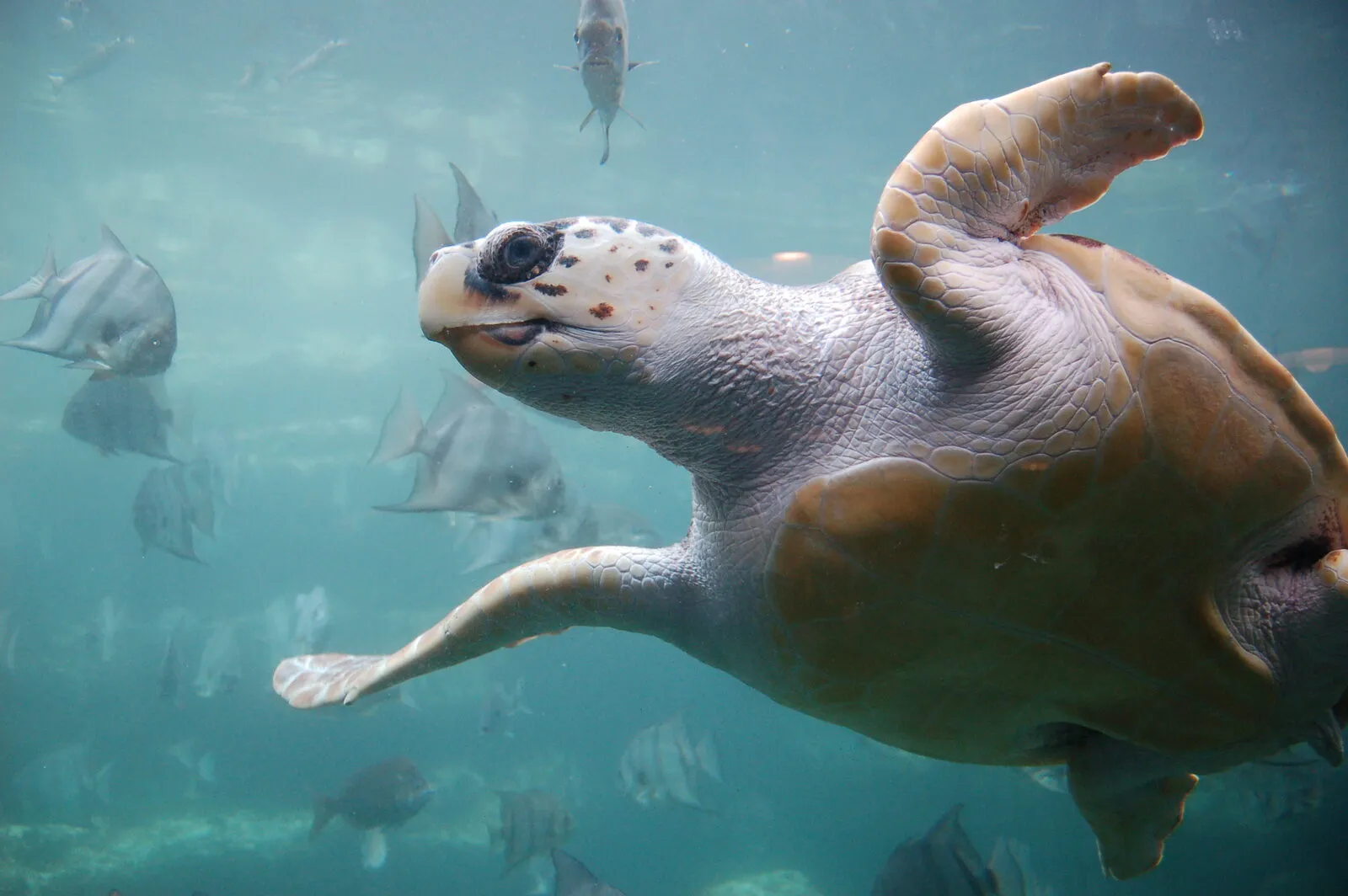
The plan characterised 33 species and prioritised 11 (PDF, page 35).7 The oceanic birds include four albatrosses, one of them the Chatham albatross (Thalassarche eremita), and two petrels (PDF, pages 35 to 41).7 The Chatham albatross breeds only on The Pyramid, in the Chatham Islands, and is listed as Vulnerable on the 2010 IUCN Red List and Critically Endangered in Supreme Decree 034-2004-AG (PDF, pages 35 and 36).7 The loggerhead turtle (Caretta caretta) that reaches southern Peru nests on beaches in Australia and New Caledonia (PDF, page 42).7 Among the cetaceans, the plan includes the blue whale (Balaenoptera musculus), Endangered according to the IUCN, the sperm whale (Physeter macrocephalus), the humpback whale (Megaptera novaeangliae) and the killer whale (Orcinus orca) (PDF, pages 46 to 48).7
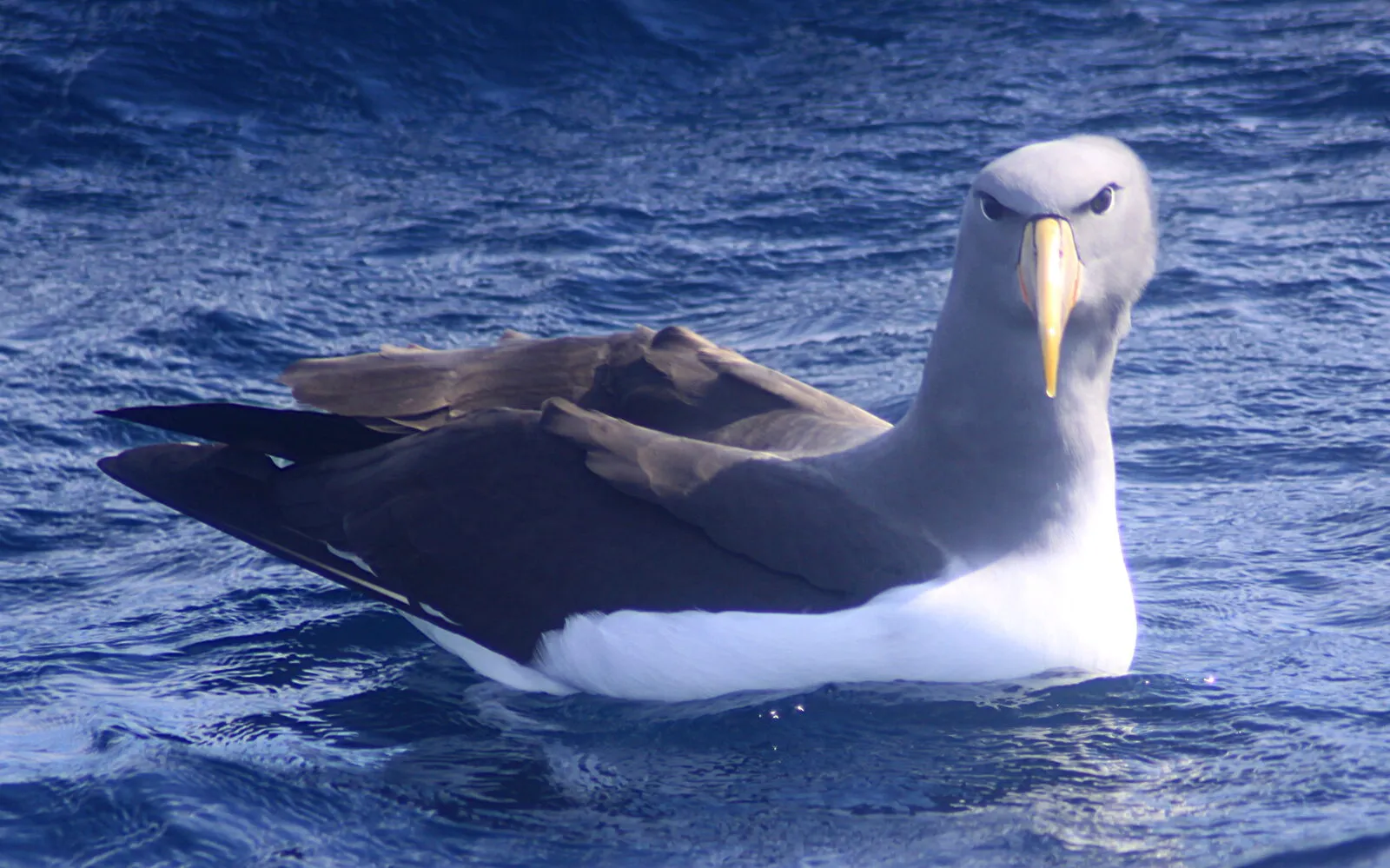

The plan's third objective aims to lower deaths caused by people among threatened cetaceans, turtles, seabirds, sharks and rays; the plan mentions albatross hunting, dolphin capture, bycatch, ghost fishing and collisions with vessels (PDF, page 30).7

The Humboldt penguin and the Illescas protocol
The Humboldt penguin (Spheniscus humboldti) is among the priority species of Paracas, San Fernando and Illescas (PDF, pages 14, 12 and 11).135 It is Vulnerable according to the IUCN, Endangered in Peru under Supreme Decree 004-2014-MINAGRI, and listed in CITES Appendix I (PDF, page 20).5 Among its threats, the Illescas plan mentions entanglement in artisanal fishing nets, human disturbance and predation by introduced dogs, cats and rats (PDF, page 20).5
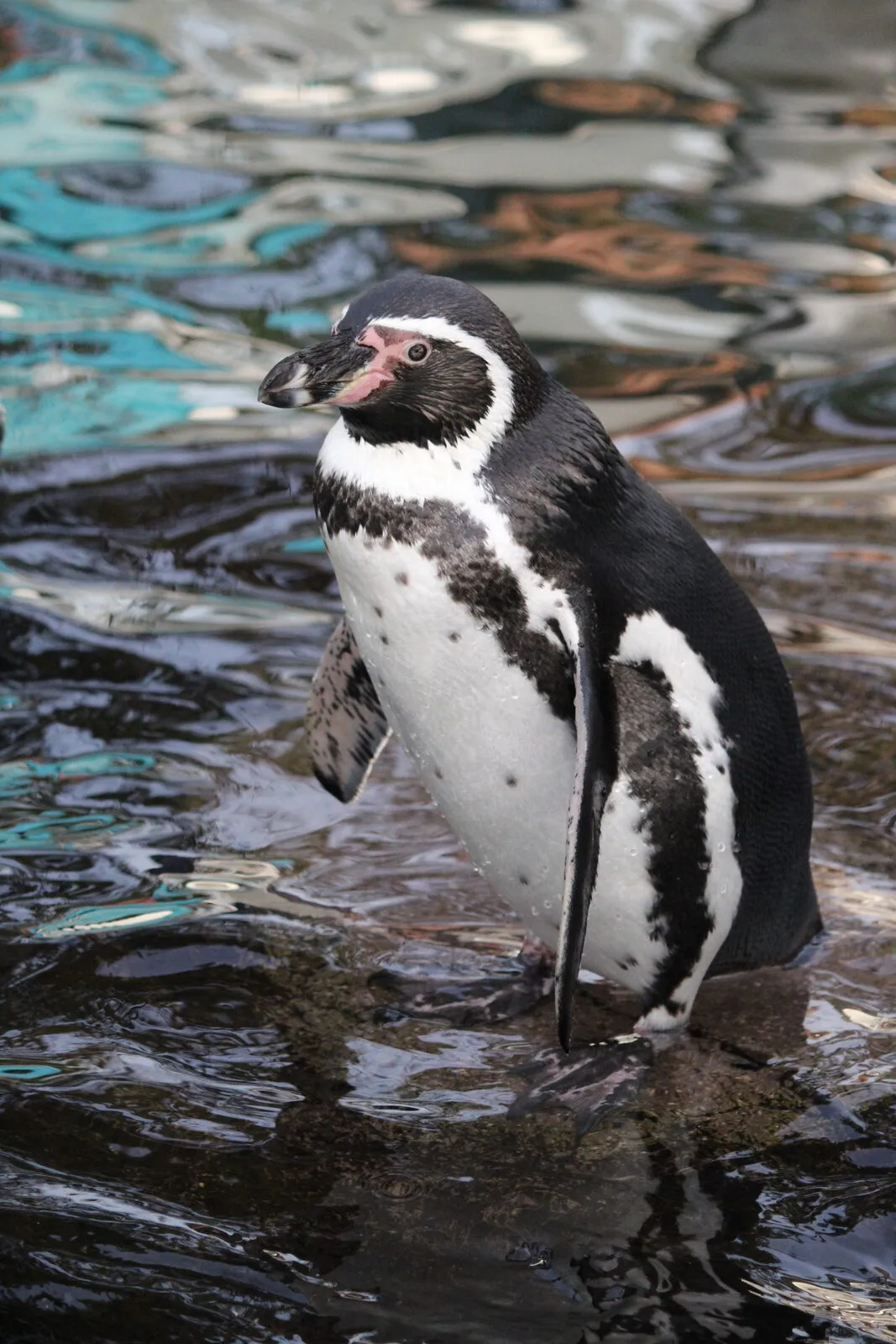

On 22 December 2025, the Directorate for the Territorial Management of Protected Natural Areas approved, by Directoral Resolution 000033-2025-SERNANP/DGTANP, the protocol for monitoring the abundance of the Humboldt penguin in the Illescas National Reserve (PDF, pages 1 and 2).9 The text of the protocol is an annex that is not in the resolution's PDF, which points to an external link (PDF, page 2).9 The reserve's head office must implement it and propose its continuous improvement, and the Directorate will report the results to the Executive Presidency (PDF, page 2).9 According to the resolution, such a protocol helps establish the number of individuals and, being constant, helps identify changes in their population, ecology and threats (PDF, page 2).9
In San Fernando, the plan records monitoring points for sea lions and fur seals: Punta San Fernando, La Ensenada, Carro Caído and La Pingüinera for the fur seal, and Punta Gallinazo for the sea lion (PDF, page 106).3
Names and figures in each plan
One bird is named two ways: the Paracas plan calls Larosterna inca zarcillo (PDF, page 10), while the San Fernando plan writes «zarcillos (Sterna lorata)» (PDF, page 26).13 The Paracas plan calls Sternula lorata «gaviotín» (PDF, page 14).1
The South American sea lion appears as Otaria byronia in the Paracas plan (PDF, page 14) and as Otaria flavescens in the San Fernando (PDF, page 12) and Illescas (PDF, page 17) plans.135
The Dorsal de Nasca plan gives two figures for commercial species: 12 hydrobiological species of commercial importance when describing fishing (PDF, page 18) and 31, of them 30 fish and one invertebrate, in objective 2 (PDF, page 30).7
That plan, approved on 5 March 2024, presents the Dorsal as the first protected area with only marine ecosystems (PDF, page 12).7 The list later records the Mar Tropical de Grau National Reserve, created by Supreme Decree 003-2024-MINAM on 26 April 2024, and its footnote counts it among the areas with marine surface (PDF, page 1).10 The plan's statement predates that creation.10
The marine part is stated differently in each document: Paracas gives it as a percentage (65 %), San Fernando as hectares of marine ecosystem (42,717.99 ha), Dorsal de Nasca is marine throughout and Illescas declares none (PDF, pages 9, 26, 32 and 11).1375
Species mentioned
- Spheniscus humboldti
- Otaria byronia
- Arctocephalus australis
- Sternula lorata
- Pelecanoides garnotii
- Thalassarche eremita
- Caretta caretta
- Balaenoptera musculus
- Physeter macrocephalus
- Megaptera novaeangliae
- Orcinus orca
Sources (10)
- SERNANP. Plan Maestro de la Reserva Nacional de Paracas 2025-2030. Ministerio del Ambiente, 2025. cdn.www.gob.pe
- SERNANP. Resolución de Presidencia Ejecutiva N° 000173-2025-SERNANP/PE, 31 de diciembre de 2025 (aprueba el Plan Maestro de la Reserva Nacional de Paracas 2025-2030). cdn.www.gob.pe
- SERNANP. Plan Maestro de la Reserva Nacional San Fernando 2025-2030. Ministerio del Ambiente, 2025. cdn.www.gob.pe
- SERNANP. Resolución de Presidencia Ejecutiva N° 000167-2025-SERNANP/PE, 29 de diciembre de 2025 (aprueba el Plan Maestro de la Reserva Nacional San Fernando 2025-2030). cdn.www.gob.pe
- SERNANP. Plan Maestro de la Reserva Nacional Illescas 2024-2028. Ministerio del Ambiente, 2024. cdn.www.gob.pe
- SERNANP. Resolución Presidencial N° 000025-2024-SERNANP/J-SGD, 13 de febrero de 2024 (aprueba el Plan Maestro de la Reserva Nacional Illescas 2024-2028). cdn.www.gob.pe
- SERNANP. Plan Maestro de la Reserva Nacional Dorsal de Nasca 2024-2029. Ministerio del Ambiente, 2024. cdn.www.gob.pe
- SERNANP. Resolución Presidencial N° 000040-2024-SERNANP/J-SGD, 5 de marzo de 2024 (aprueba el Plan Maestro de la Reserva Nacional Dorsal de Nasca 2024-2029). cdn.www.gob.pe
- SERNANP, Dirección de Gestión Territorial de Áreas Naturales Protegidas. Resolución Directoral N° 000033-2025-SERNANP/DGTANP, 22 de diciembre de 2025 (protocolo de monitoreo para la abundancia de pingüino de Humboldt en la Reserva Nacional Illescas). cdn.www.gob.pe
- SERNANP. Listado oficial de áreas naturales protegidas de administración nacional con categoría definitiva, actualizado al 9 de septiembre de 2026. cdn.www.gob.pe