Blog
Blog
What we keep learning about the Peruvian sea and how to dive it. Every fact carries its source at the end of the article.
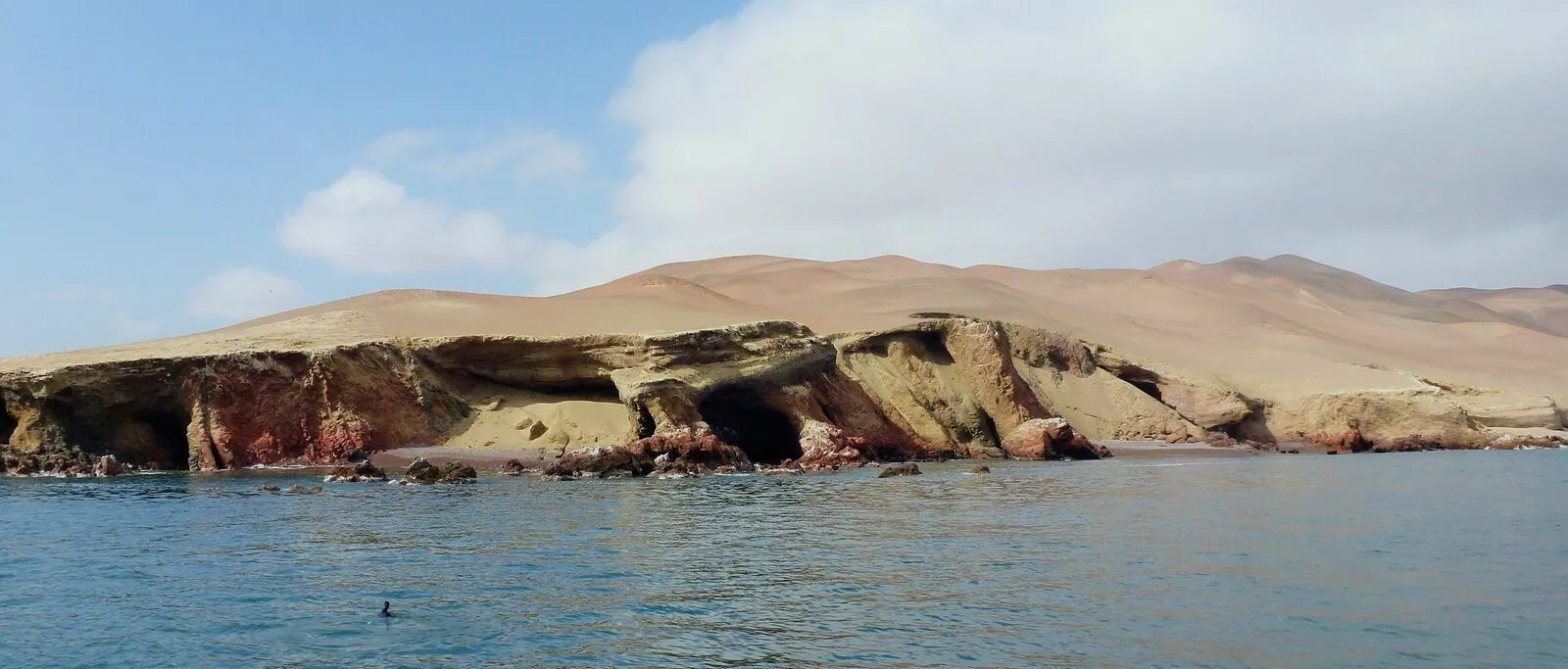
A reserve made of islands: the Guano Islands, Islets and Capes System
What the reserve protects, where its 22 islands and 11 capes lie, what the 2026-2031 master plan says about guano, birds, the penguin and sea lions, and which threats and measures it records, with what changed from the 2016 plan.
Photo: PIERRE ANDRE LECLERCQ · CC BY-SA 4.0
The master plan of the Mar Tropical de Grau National Reserve
The four sectors of the Mar Tropical de Grau National Reserve, the resolution that approved its 2026-2031 master plan, the zoning, the five monitoring protocols and what the plan says about fishing, tourism and research.
Photo: Uwebart · CC BY-SA 3.0
Peru's marine protected areas: which they are and how much they protect
Which natural protected areas have marine surface according to the official SERNANP list, how much sea they protect, what each master plan says and what falls outside the figure.
Photo: PIERRE ANDRE LECLERCQ · CC BY-SA 4.0
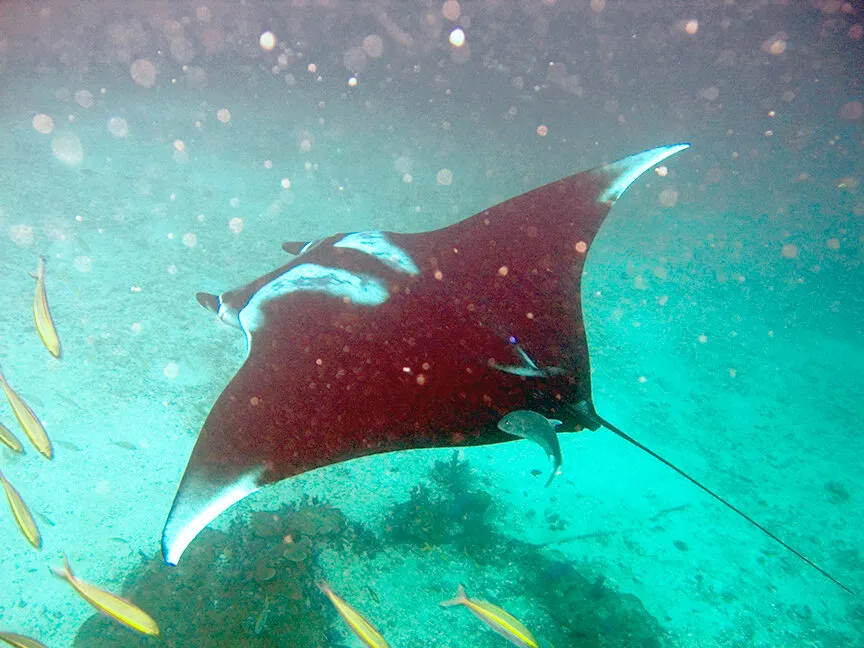
Rays, mantas, guitarfishes and torpedoes of Peru
Thirty-two rays are recorded in Peruvian waters: mantas and devil rays, eagle, whiptail, round and butterfly rays, guitarfishes, sawfishes, electric rays and skates. How to tell them apart, where they are recorded, what they eat, how they reproduce and how they are faring.
Photo: jon hanson from london, UK · CC BY-SA 2.0
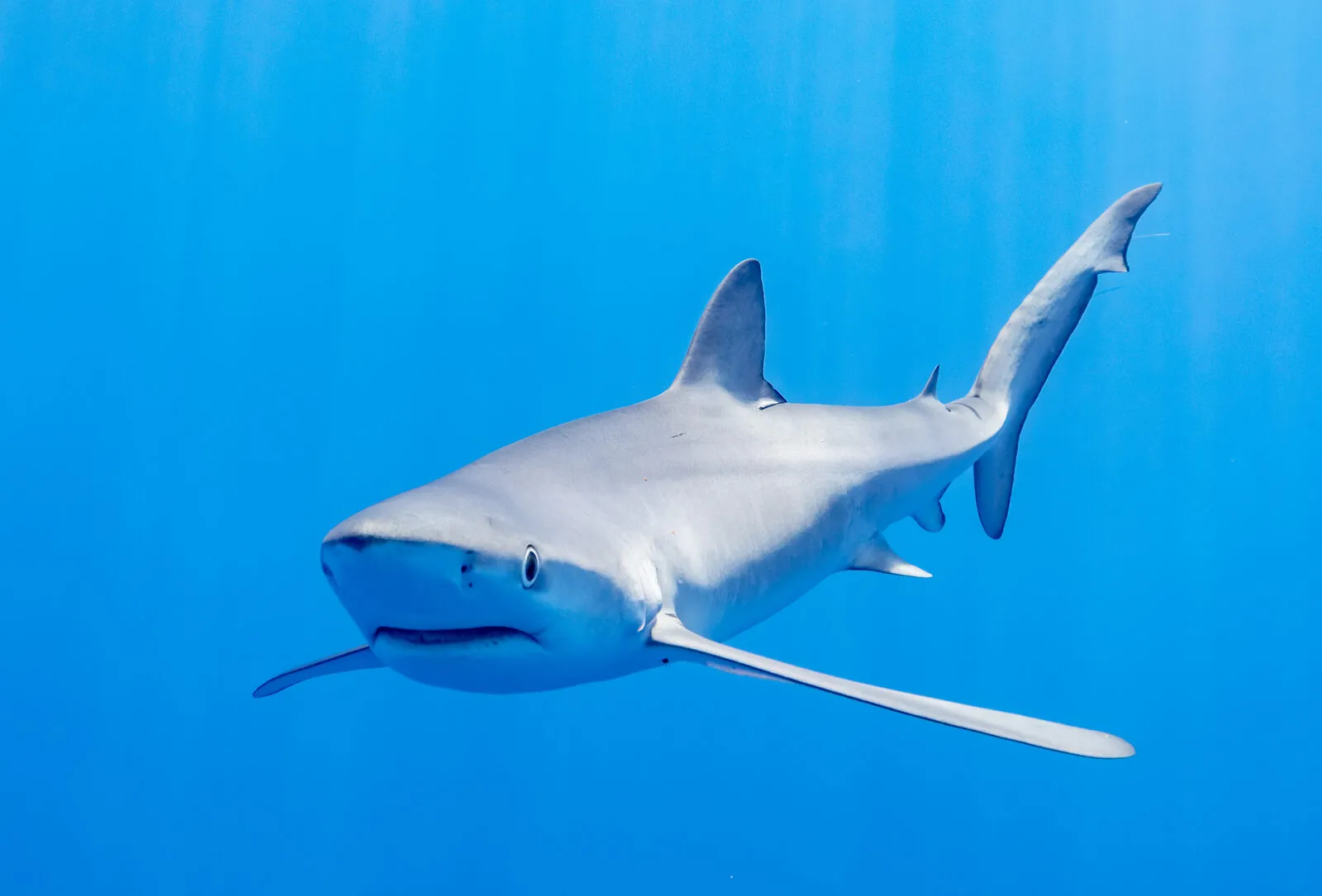
Hammerhead, blue and requiem sharks of Peru: the order Carcharhiniformes
Who is who among the requiem sharks, hammerheads, houndsharks and catsharks of the Peruvian sea: sizes, habitats, diet, reproduction, fisheries and conservation status, and what is still unknown.
Photo: Diego Delso · CC BY-SA 4.0
Seabirds of Peru: seventy-seven species between wind and guano
What the sources say about the seabirds in ORKA's guide as a whole: who lives in the Humboldt Current, who only passes through, how they feed and breed, how they are classified and what is still unknown.
Photo: Marie de Carne · CC BY-SA 3.0
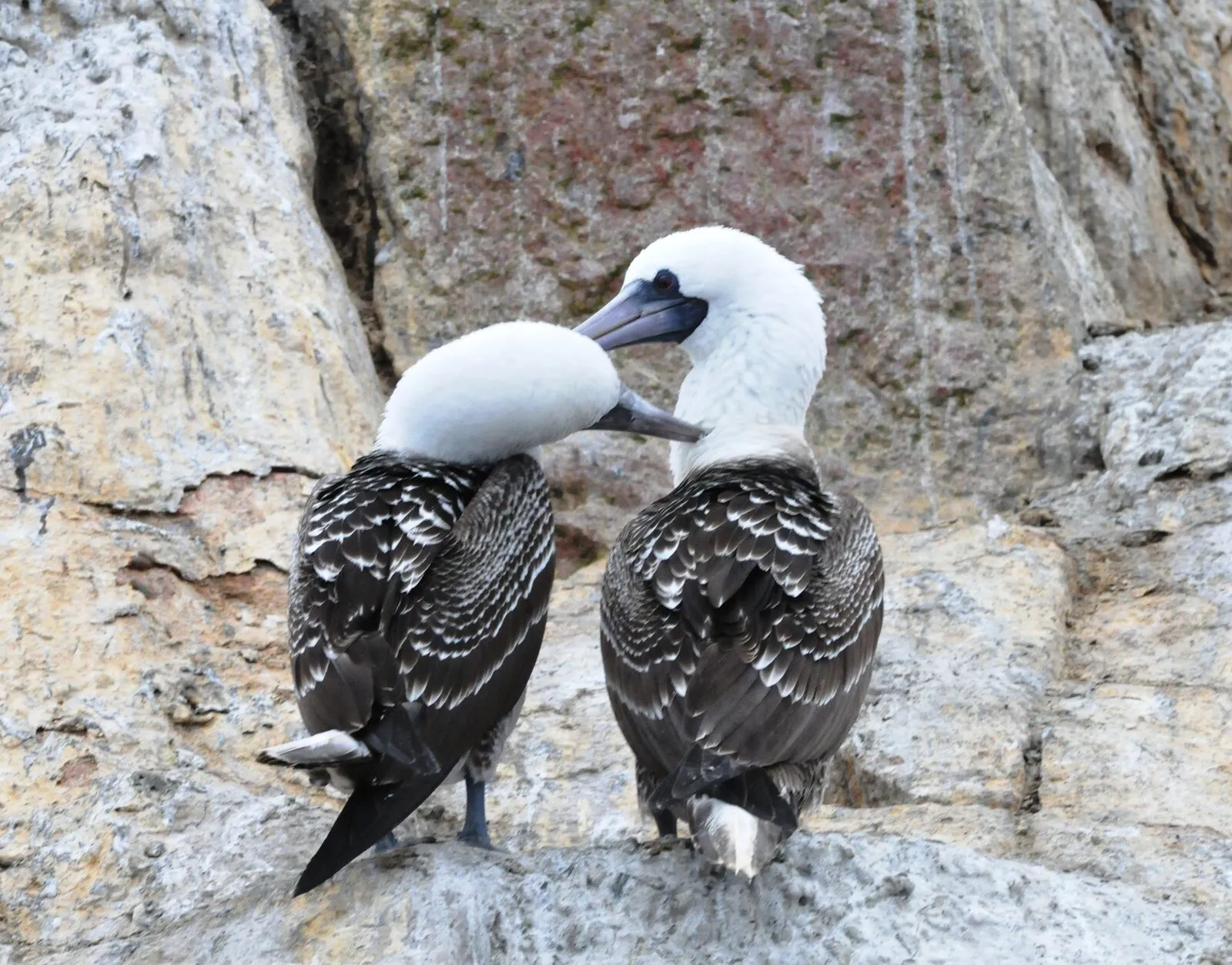
Boobies, pelicans, cormorants and the Humboldt penguin
Who the guano birds of the Peruvian coast and their relatives are (boobies, pelicans, cormorants, frigatebird, tropicbird, Humboldt penguin and a few wetland birds), where they are recorded, what they live on and what threatens them, with every fact cited.
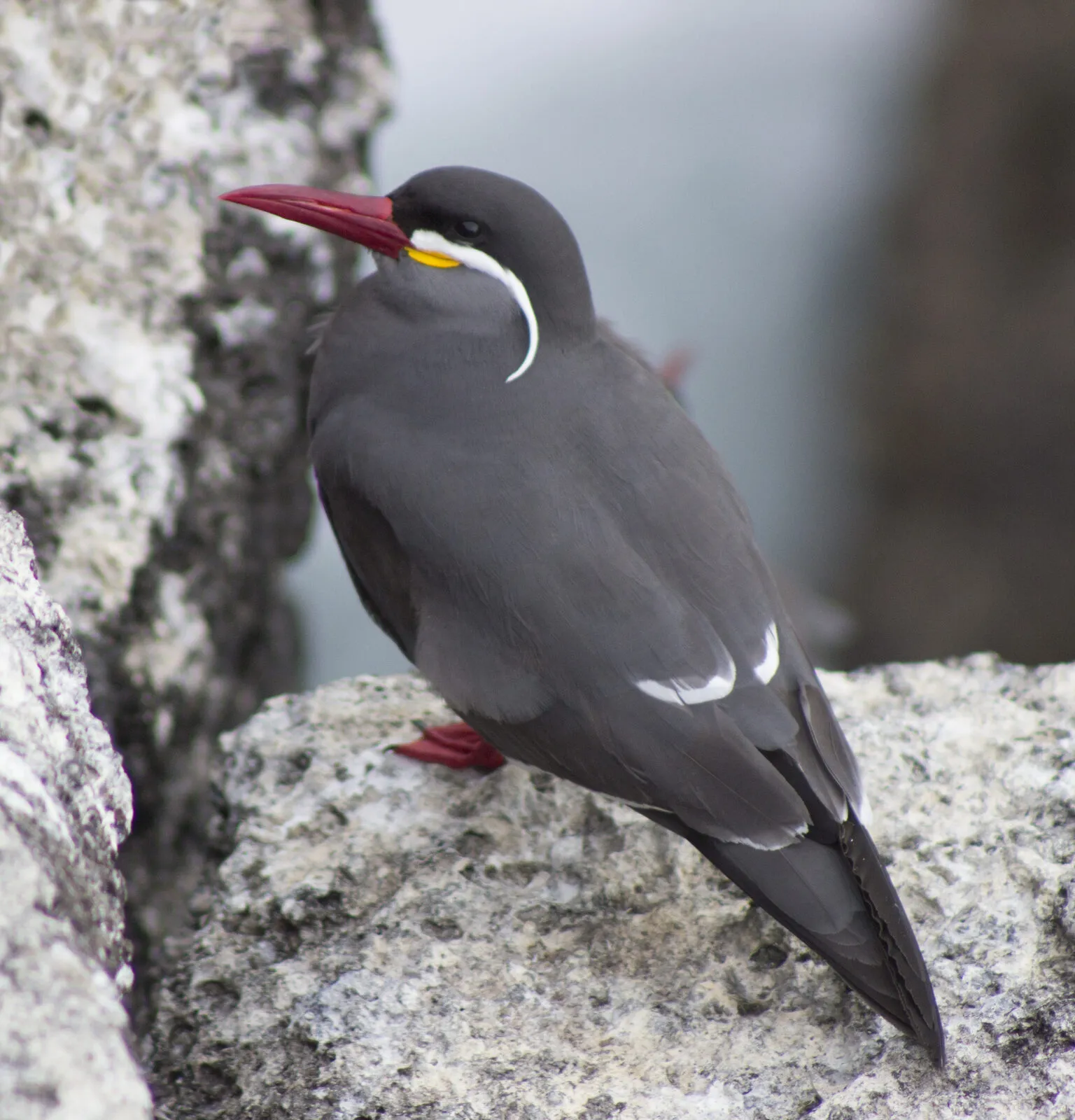
Photo: Marie de Carne · CC BY-SA 3.0
Gulls, terns, skuas and shorebirds of Peru
Residents, northern migrants and southern visitors: what the sources say about the thirty Charadriiformes species in the guide, their identification, breeding, conservation status and what is still unknown.
Photo: Josue Hermoza · CC BY-SA 4.0
Petrels, shearwaters and albatrosses of Peru: the birds that live on the wind of the Humboldt Current
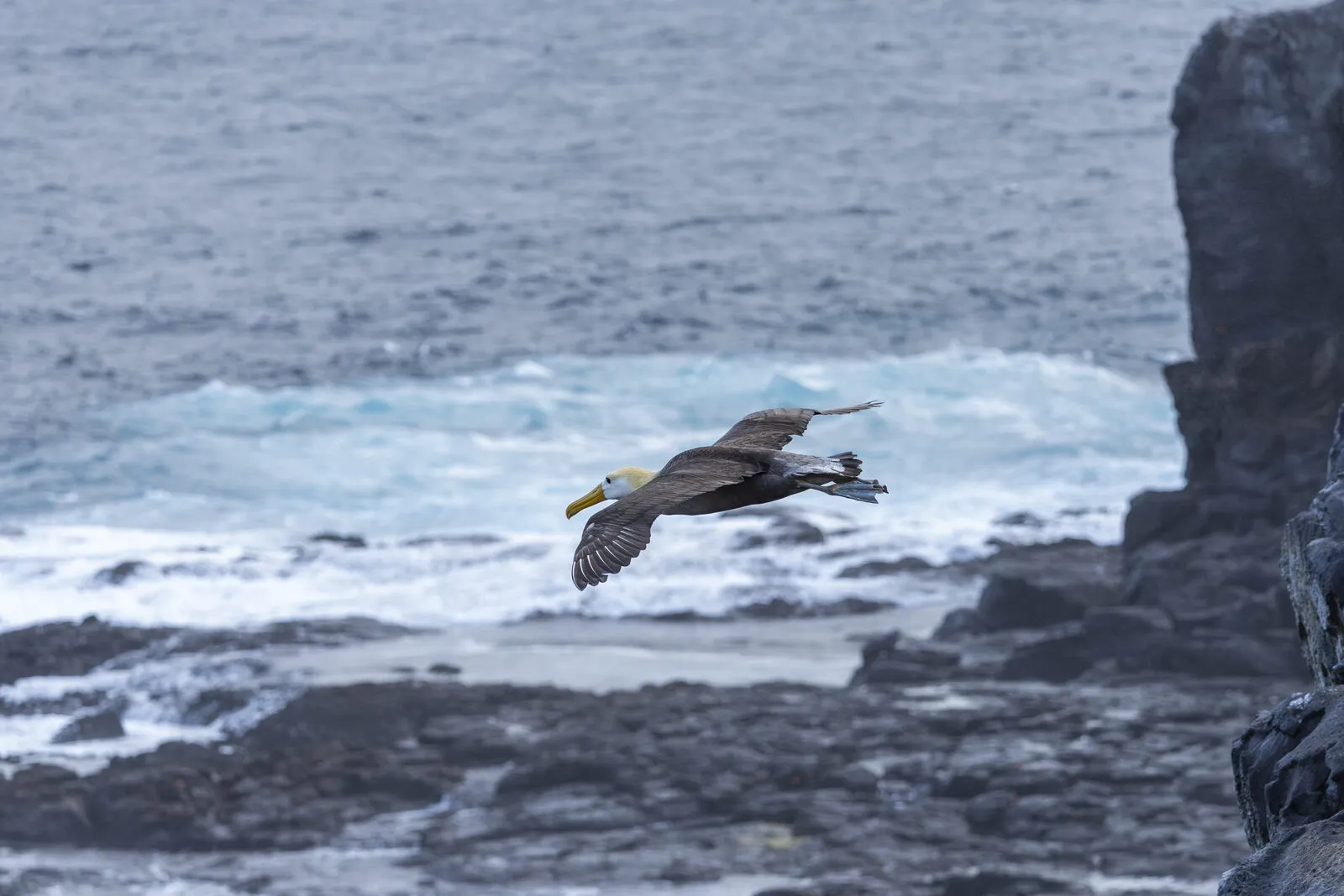
Thirty-one species of albatrosses, petrels, shearwaters, storm-petrels and one diving petrel are in ORKA's guide. Almost all breed far from Peru; here is what brings them, how to tell them apart and what threatens them.
Photo: E bailey · CC BY-SA 4.0
Marine mammals of Peru: whales, dolphins, sea lions and an otter
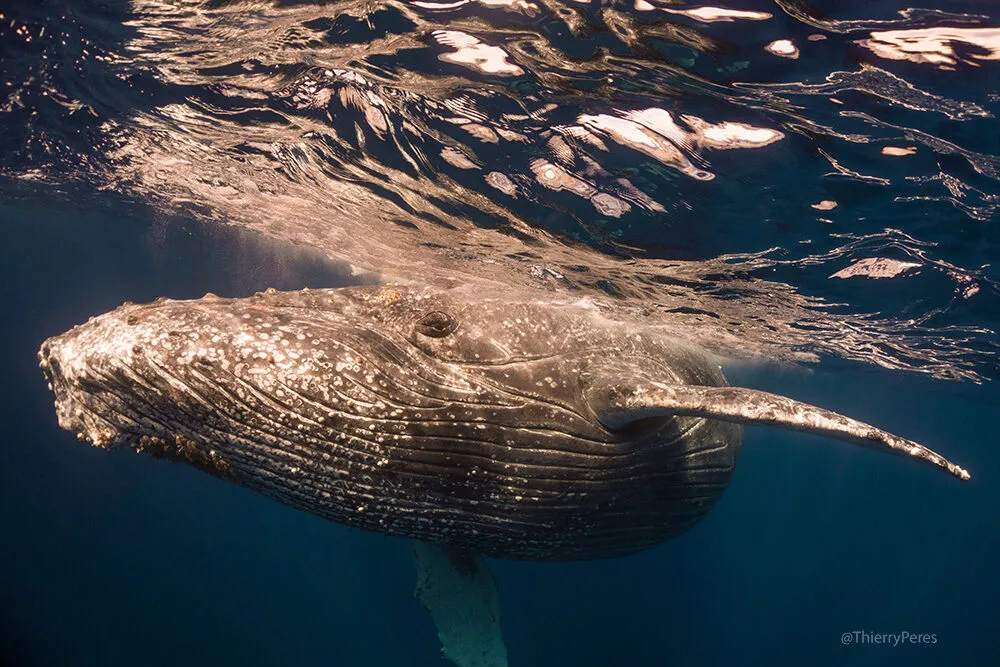
Who lives in the Peruvian sea among whales, dolphins, beaked whales, sperm whales, sea lions and the marine otter: who is resident and who passes, how to tell them apart, what they eat, how they are doing and what the rules say about approaching them.
Photo: Peres Thierry · CC BY-SA 4.0
The sea turtles and the sea snake of Peru
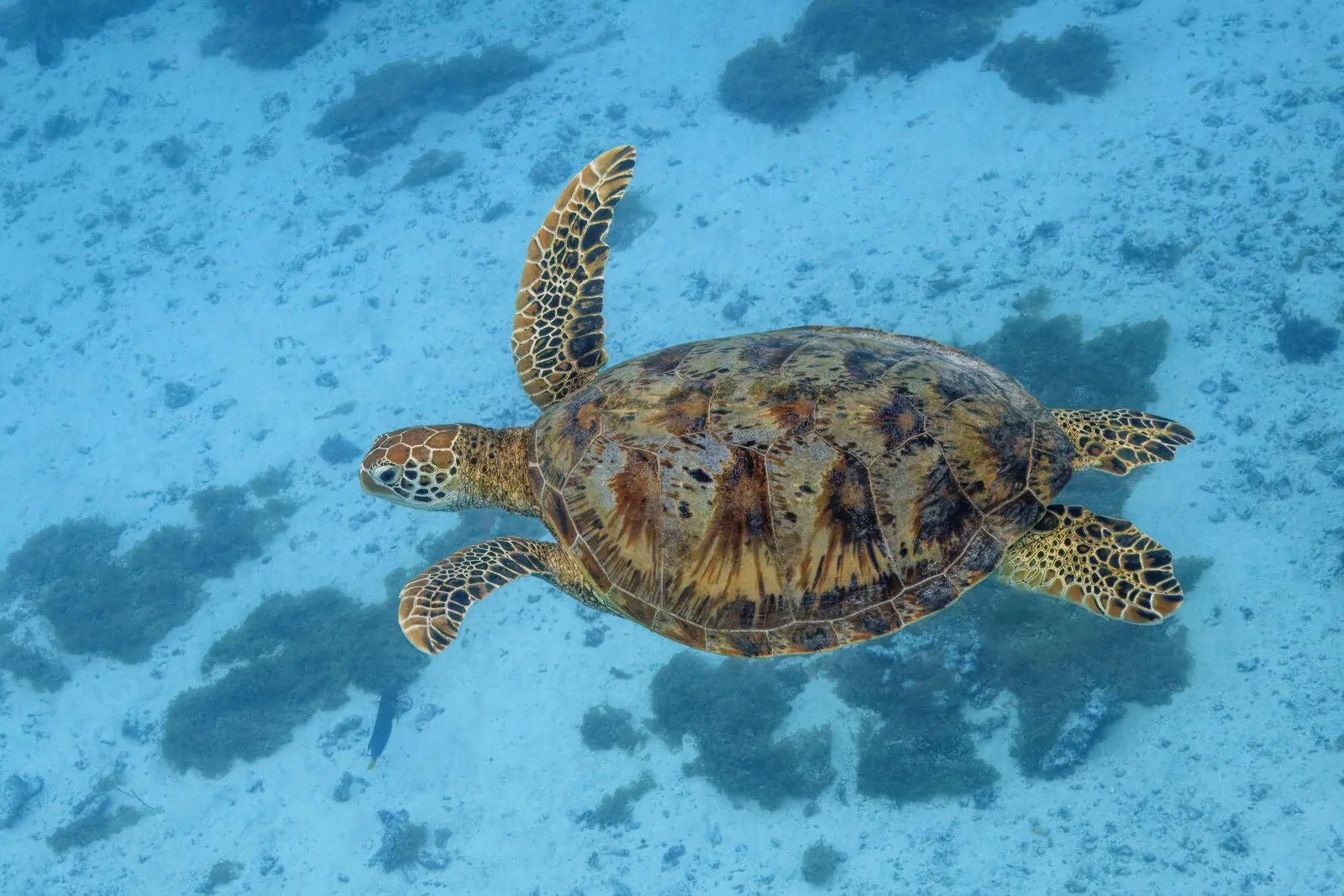
Five sea turtles and one pelagic snake are recorded in Peruvian waters: how to tell them apart, where and when they appear, what they eat, where they come from, how they are faring and what the official guidelines ask of anyone watching them.
Photo: Charles J. Sharp · CC BY-SA 4.0
The climate of Los Órganos: 45 years of sea and air data
Water temperature month by month, rain, wind, the trend since 1982 and the weight of El Niño, computed from open NOAA and NASA data.
Photo: Organos2024 · CC BY-SA 4.0
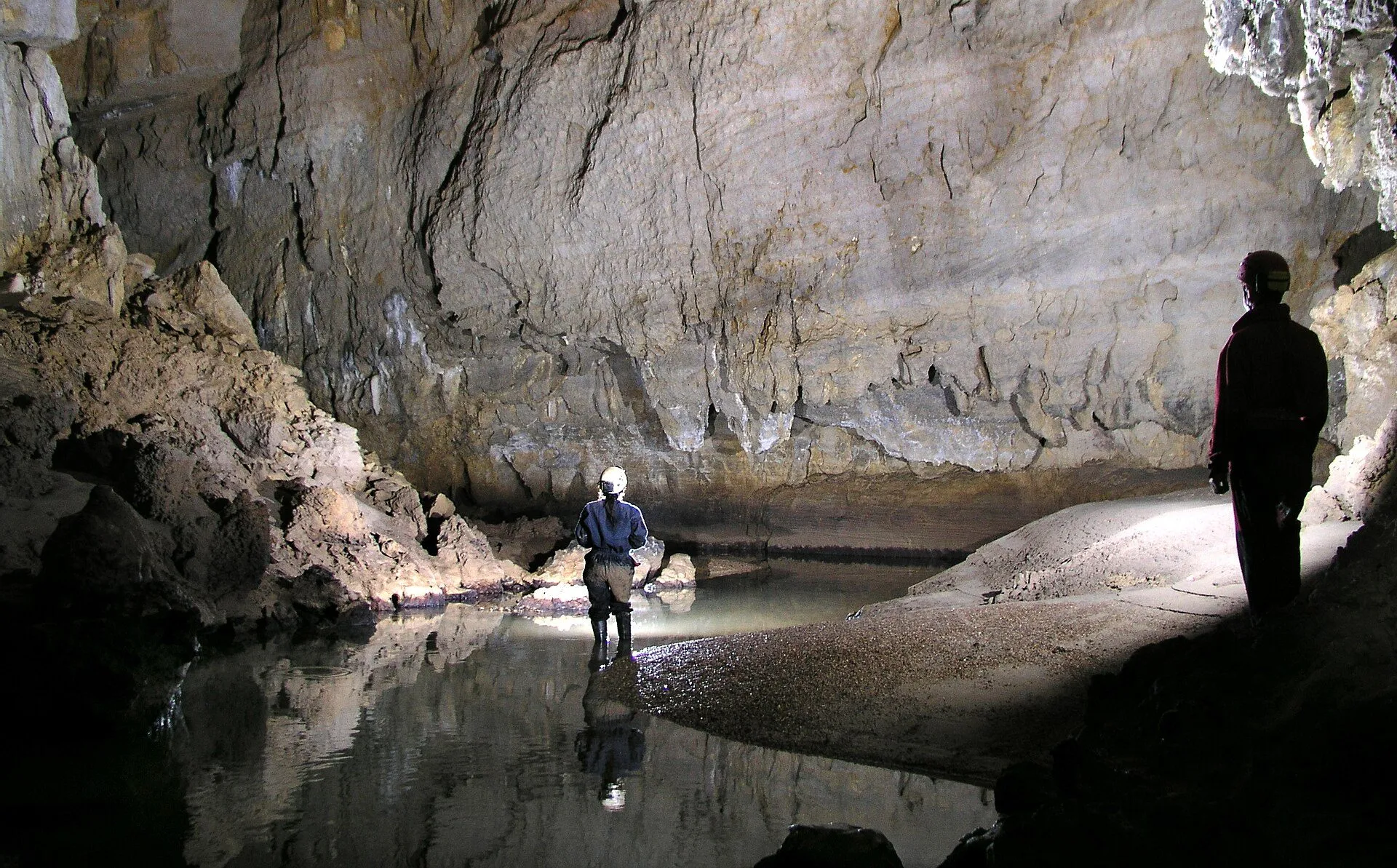
Cave diving in Peru: the sumps inside dry caves
Where people have dived underground in Peru, who did it and what they found, why nearly all of it is sumps inside dry caves, and what it takes to enter one.
Photo: Jean-Yves Bigot (JYB Devot) · CC BY-SA 4.0
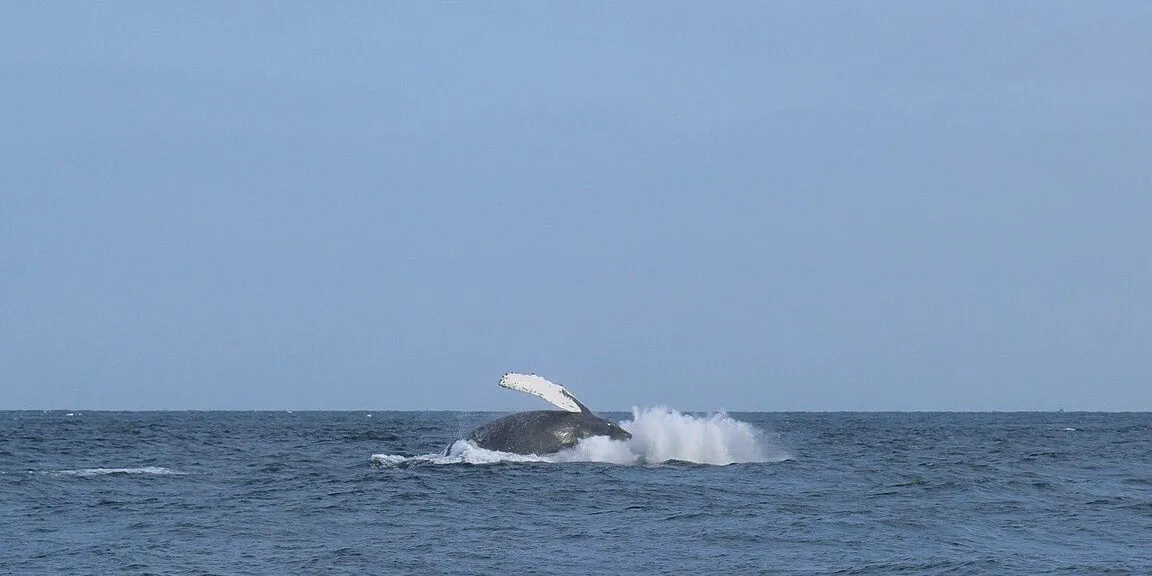
Humpback whale season in Los Órganos: what to know first
When the humpbacks arrive, where they come from, what they do off Los Órganos and the distances Peruvian rules set for approaching them.
Photo: Yhhue91 · CC BY-SA 4.0
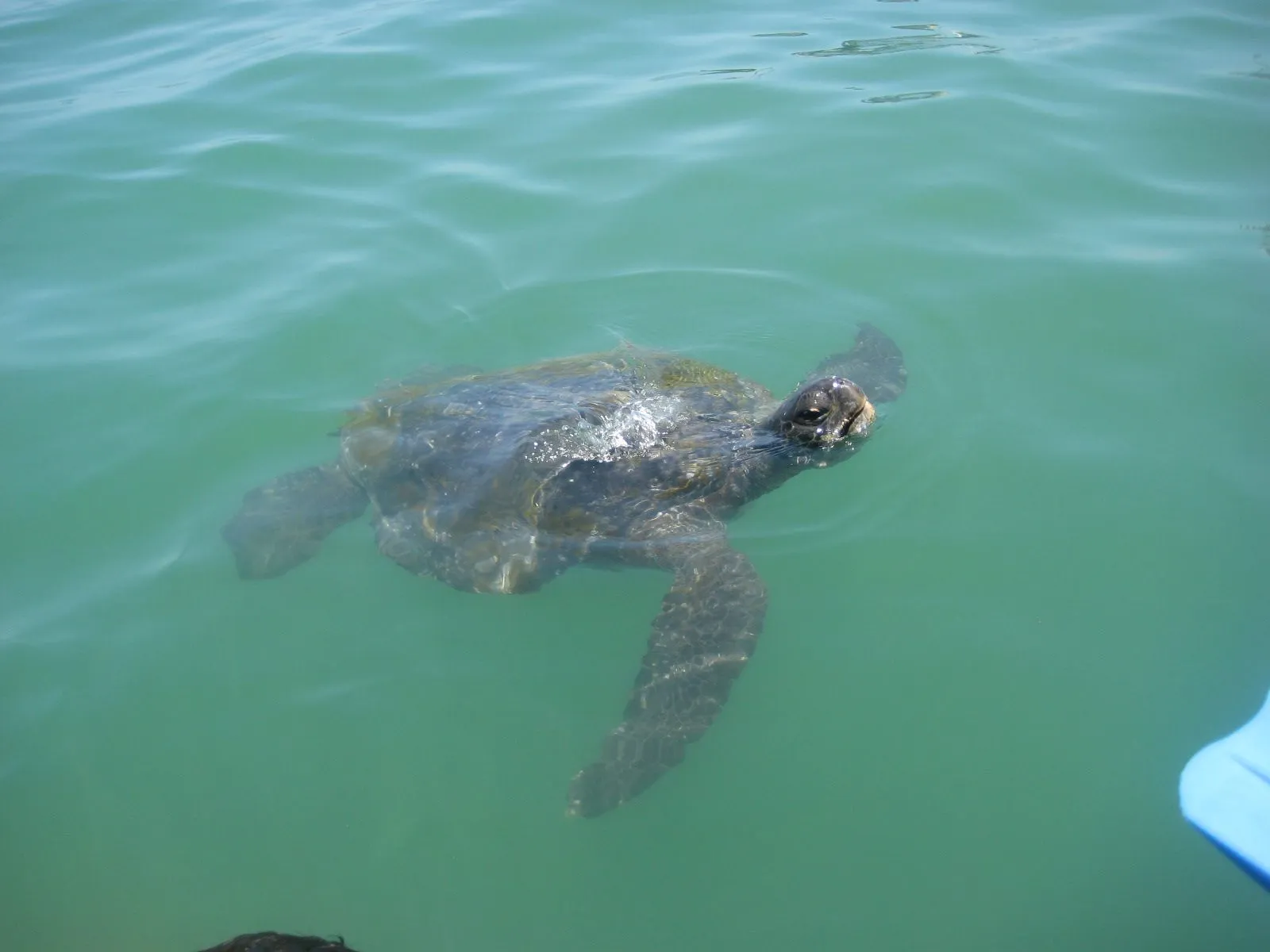
Swimming with turtles at El Ñuro: what to know first
Which turtles live by the El Ñuro pier, why the way the turtle swim is done today worries us, and what the official good practice asks.
Photo: Qwertymith · CC BY-SA 4.0