
Blog · marine protected areas
The master plan of the Mar Tropical de Grau National Reserve
The Mar Tropical de Grau National Reserve has four sectors off Piura and Tumbes and a master plan approved for 2026-2031. That plan sets the zoning, schedules five monitoring protocols for groups of species and records the rules for fishing, tourism and research.
Published


What the Mar Tropical de Grau National Reserve is
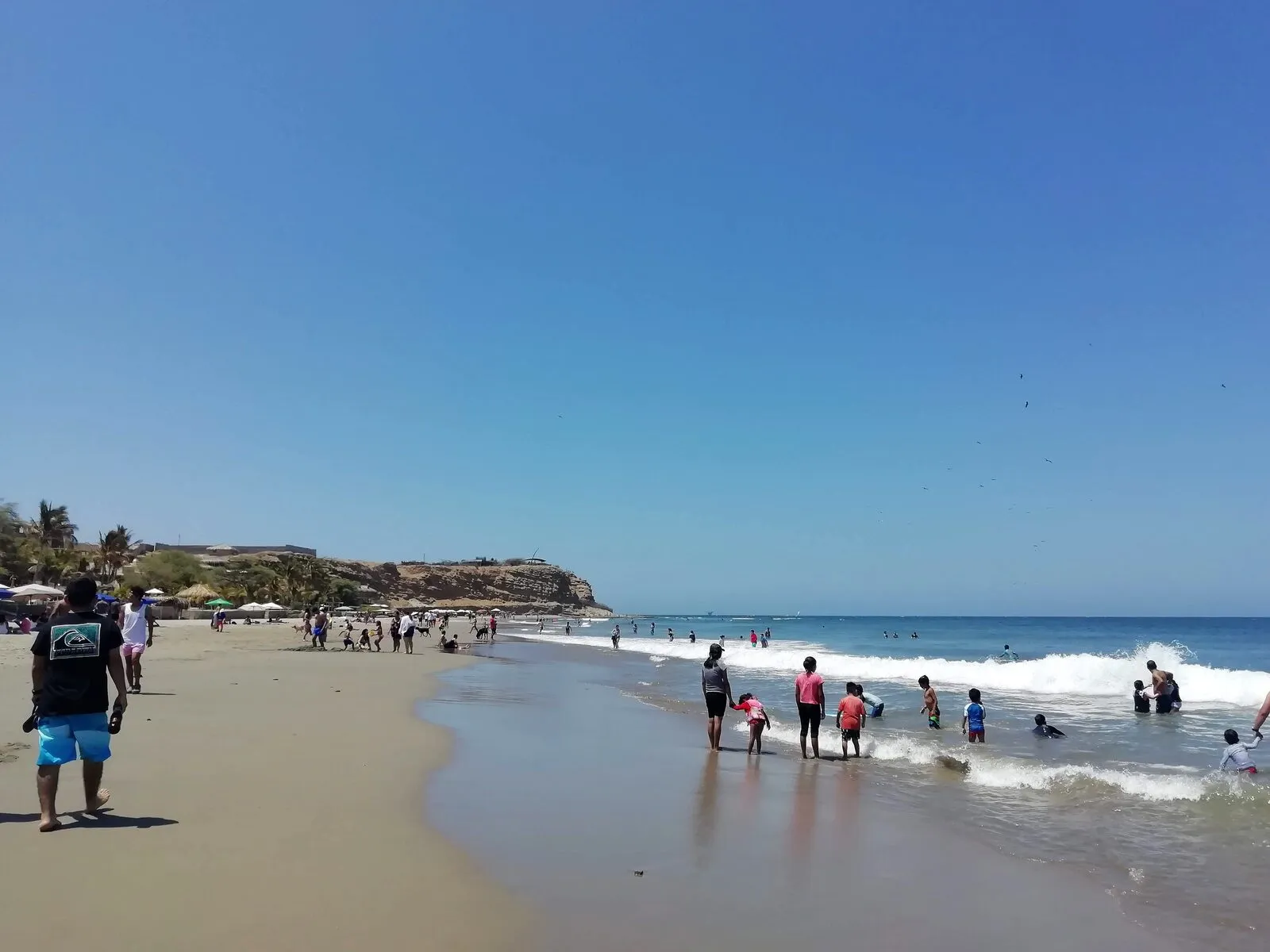
The Mar Tropical de Grau National Reserve is a protected natural area established on 26 April 2024 by Supreme Decree 003-2024-MINAM.12 It covers 115,675.89 ha in four sectors: Banco de Máncora, Arrecifes de Punta Sal, Cabo Blanco-El Ñuro and Isla Foca.12 According to the plan, it lies off the coasts of Piura and Tumbes.3
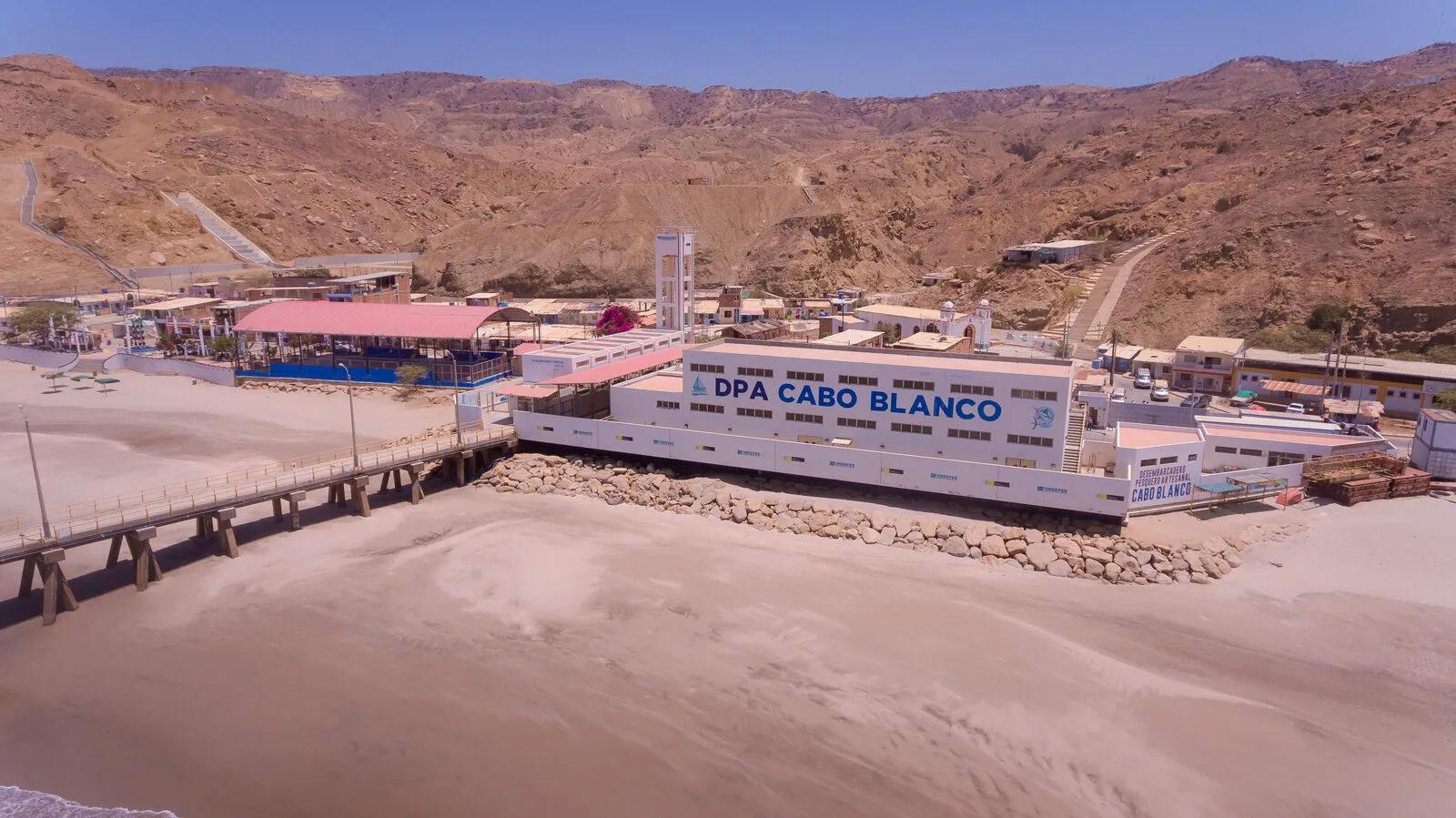
Banco de Máncora lies off Tumbes, 18.55 nautical miles (34 km) from the nearest point on land, and measures 51,776.48 ha.4 Arrecifes de Punta Sal lies off the district of Canoas de Punta Sal, in Tumbes, covers 18,435.10 ha and reaches west to the 5 nautical mile line.5 Cabo Blanco-El Ñuro lies off Los Órganos and El Alto, in Talara province, and measures 16,618.66 ha, with its northern limit at Punta Veleros and its southern one at Peña Negra.6 Isla Foca lies off the coast between the cove of Yacila and Punta Gobernador, in Paita, and covers 28,845.65 ha.7
The four sectors represent three ecosystems: the Tropical Eastern Pacific (35,053.76 ha, 30.30 %), the tropical-temperate transition (28,845.65 ha, 24.94 %) and the tropical seamount (51,776.48 ha, 44.76 %).8 The Tropical Eastern Pacific corresponds to Arrecifes de Punta Sal and Cabo Blanco-El Ñuro, the transition to Isla Foca and the seamount to Banco de Máncora.9 The plan places the transition zone between 4.5° and 6° S and says the transition ecosystem occurs only in Peru.10
The plan gives 215 fish species for the reserve, of which 19 are cartilaginous and 196 bony.11 By sector it cites 136 species of fishes associated with rocky reefs in Arrecifes de Punta Sal, 160 in Cabo Blanco-El Ñuro and 72 in Isla Foca, and for Banco de Máncora it records 45 fish species within a richness of 179 species, dominated by crustaceans and fishes.12 Species composition is about 60 % similar between Arrecifes de Punta Sal and Cabo Blanco-El Ñuro, Isla Foca shares 30 % with them and Banco de Máncora 8 % with the coastal sectors.13

The plan records that the International Maritime Organization designated the reserve a Particularly Sensitive Sea Area.14
What a master plan is and how it was approved
According to the resolution that approves it, the protected areas law provides for one master plan per area, which is that area's highest-level planning document, is prepared through participatory processes and is reviewed every five years.15 The same resolution cites article 18 of the law, under which, once approved by SERNANP, those documents must be followed in every activity carried out within the areas.15
The 2026-2031 Master Plan was approved by Executive Presidency Resolution 000052-2026-SERNANP/PE, dated 17 February 2026.15 Article 1 approves the plan, article 2 charges the reserve's Head Office with overseeing its implementation and article 3 orders its publication in the official gazette El Peruano and on SERNANP's website.16 The resolution notes that the Executive Commission of the Management Committee validated the plan and that prior consultation does not apply, because no indigenous or native peoples were identified in the area.17

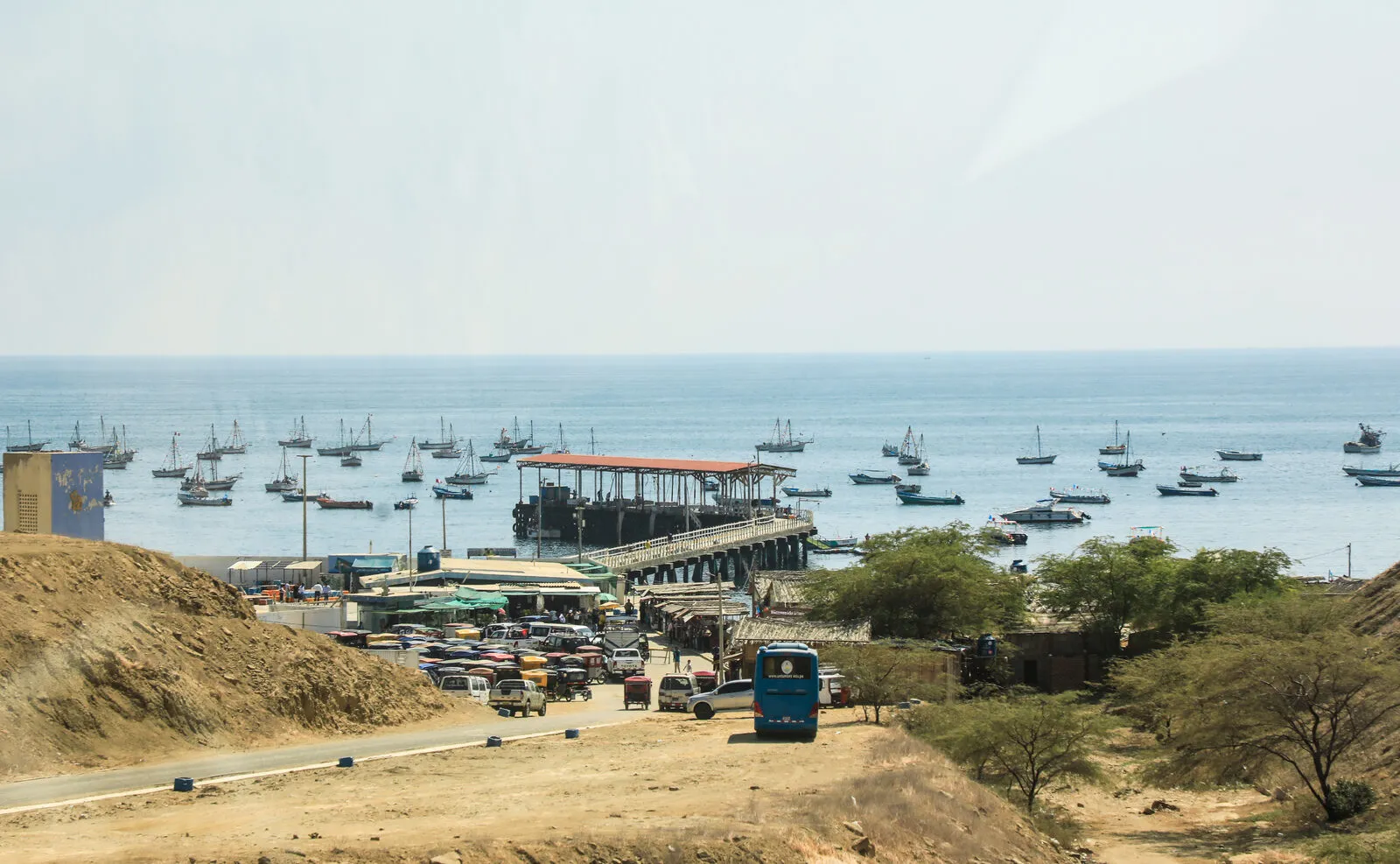
The plan acknowledges the contribution of the 56 organizations of the Management Committee.18 In its acknowledgements it names 16 artisanal fishers' associations from 13 coves.18 In the general information it refers to fishers from 16 coves.1
The plan's vision is set for 2046 and speaks of healthy populations of sea turtles, marine mammals, guano birds, Humboldt penguin, whale shark, hammerhead shark and rocky-habitat invertebrates.19 It defines five strategic objectives: maintaining the conservation status of the ecosystems, maintaining conditions for the priority fauna, ordering the use of the landscape resource, strengthening the management of hydrobiological resource use and strengthening governance.20
The zoning
The technical file that created the reserve zoned all of it as a direct use zone, and the plan proposes updating that zoning.21 The plan identifies five zones: direct use, wild, tourism and recreation, strict protection and recovery.22
Table 19 gives 115,042.45 ha of direct use (99.452 %), 578.65 ha of recovery (0.500 %), 27.4 ha of wild zone (0.024 %), 22.3 ha of strict protection (0.019 %) and 5.1 ha of tourism and recreation (0.004 %).22 Banco de Máncora and Cabo Blanco-El Ñuro keep the direct use zone throughout, unchanged from the technical file.23
In Arrecifes de Punta Sal the plan adds two recovery zones, of 379.24 ha in the central part and 199.45 ha in the south, which the text adds up to 578.69 ha, and leaves 17,856.41 ha as direct use.24 Table 19 gives 578.65 ha for the total of recovery zones.22
In the recovery zones of Punta Sal, and on a temporary basis, resources may only be taken with handline and hook (without lures, from a boat) or with handline or rod from the shore.25 All other gear is temporarily prohibited until IMARPE indicates that the indicator species have recovered.25 The capture of the giant grouper (Epinephelus quinquefasciatus), the green parrotfish (Scarus perrico), the black wrasse (Bodianus eclancheri), the sheepshead surgeonfish (Prionurus laticlavius), the giant snapper (Lutjanus novemfasciatus), the large rays and the Pacific seahorse (Hippocampus ingens) is not allowed.26

In the direct use zones of Punta Sal and Cabo Blanco-El Ñuro it is likewise not allowed to take the giant grouper, the seahorse, the green parrotfish, the black wrasse or the sheepshead surgeonfish, or any gorgonian or sea fan.27 In both sectors, gear that alters the conditions of the marine environment is prohibited, such as trawl nets, beach seines, dredges and motor pumps.27 In Cabo Blanco-El Ñuro, bottom gillnets and trammel nets are prohibited south of a line marked by the La Merera and Órganos i reefs, and temporarily across the whole reserve while IMARPE investigates their effect.28 Spearfishing competitions are not allowed in that sector.29
In Isla Foca the strict protection zone is split into two polygons of 12.17 and 10.11 ha, and the text of section 5.7.1 gives it 22.27 ha in total.30 The same passage gives 21.11 ha for the wild zone, whereas section 5.7.2 gives 27.42 ha.31 The tourism and recreation zone measures 5.08 ha and direct use 28,790.87 ha.30
In the strict protection zone of Isla Foca, entry by people is not allowed except for managing the area and environmental monitoring, nor is navigation, swimming, diving in any form or fishing.32 In the aquatic area of the wild zone the same prohibitions apply, and within 300 m of the island and its islets fish may only be caught with hook and handline.33 The use of all kinds of fishing nets is prohibited in a polygon that the plan defines by coordinates.33
The tourism and recreation zone of Isla Foca includes a walking route between the isthmus, the lighthouse, the viewpoints over the sea lion and penguin colonies, and Playa Blanca.34 The route may only be entered with authorized tourism service providers and local guides.35 Access to the route between the isthmus and the lighthouse is prohibited during the breeding season of the guano birds.35 In the water, swimming or snorkelling for non-extractive observation is allowed in the intertidal pool of the isthmus and off the Istmo and Blanca beaches, and observation navigation must stay at least 100 m from the shore, at low speed and without music or megaphones.35
In Banco de Máncora, gear that alters the seabed, such as trawl nets and dredges, is prohibited.36 The discharge of ballast water and harmful substances is also prohibited.37 The plan prohibits industrial fishing by foreign-flagged vessels and the fishing of sharks classed as Endangered or Critically Endangered by the IUCN.38 For cargo vessels and mass passenger transport it sets a maximum of 10 knots inside the reserve.39 In another section it states that the speed on entering must be no more than 10 knots and no less than 5.4
On the depth of the bank, the description of the sector speaks of a plateau at about 200 m on average and an escarpment that reaches 650 m.40 The zoning table gives 150 m on average and 700 m towards the edge of the continental slope.36
The monitoring system and the priority species
Strategy 4 provides for setting up an environmental monitoring system that follows key and indicator species, those of economic and ecological importance, and ecosystems such as rocky reefs, soft bottoms, pelagic zones, beaches and intertidal zones.41 It provides for standardized methodologies, biological, environmental and socioeconomic indicators, and the participation of park rangers, artisanal fishers, local organizations and academia.42 It mentions technological tools such as GIS, databases and mobile applications to systematize, analyse and disseminate the information.42 Its results will be used to evaluate management effectiveness, adjust ordering and control measures and manage tourism.42
The text says six strategies were prioritized and then describes seven, numbered 4.2.1 to 4.2.7.43 In Table 4 monitoring appears as strategy 4 and research as strategy 5.44
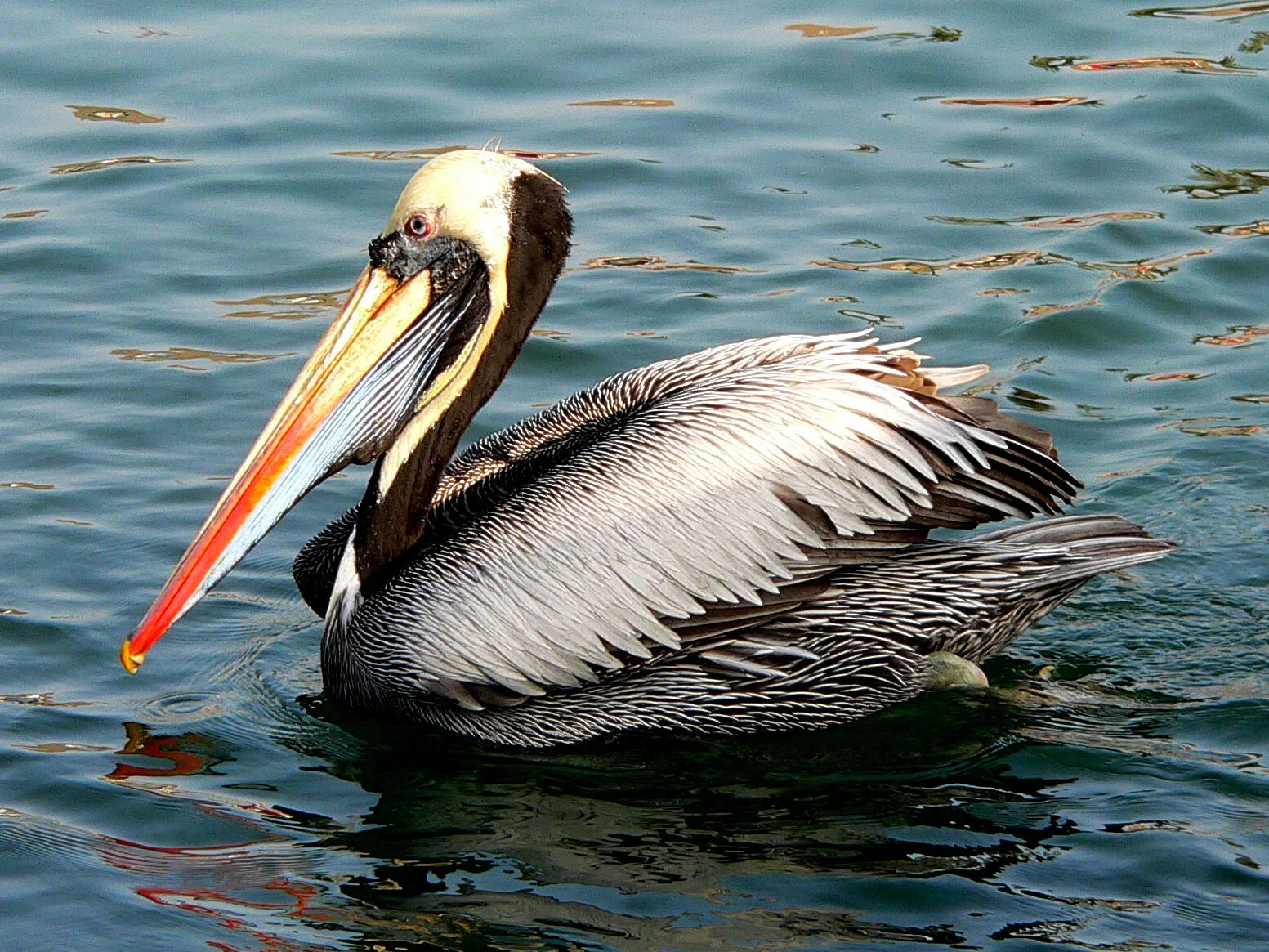
Because the reserve holds too many species to conserve all their communities, the plan prioritizes umbrella species, those whose conservation protects a wider range of species.45 For monitoring it chooses the sea turtles (Lepidochelys olivacea, Chelonia mydas and Eretmochelys imbricata), the Humboldt penguin (Spheniscus humboldti), the guano birds (Pelecanus thagus, Leucocarbo bougainvillii and Sula nebouxii), the sea lions (Arctophoca cf. galapagoensis and Otaria flavescens) and the fishes and invertebrates of rocky reefs.46

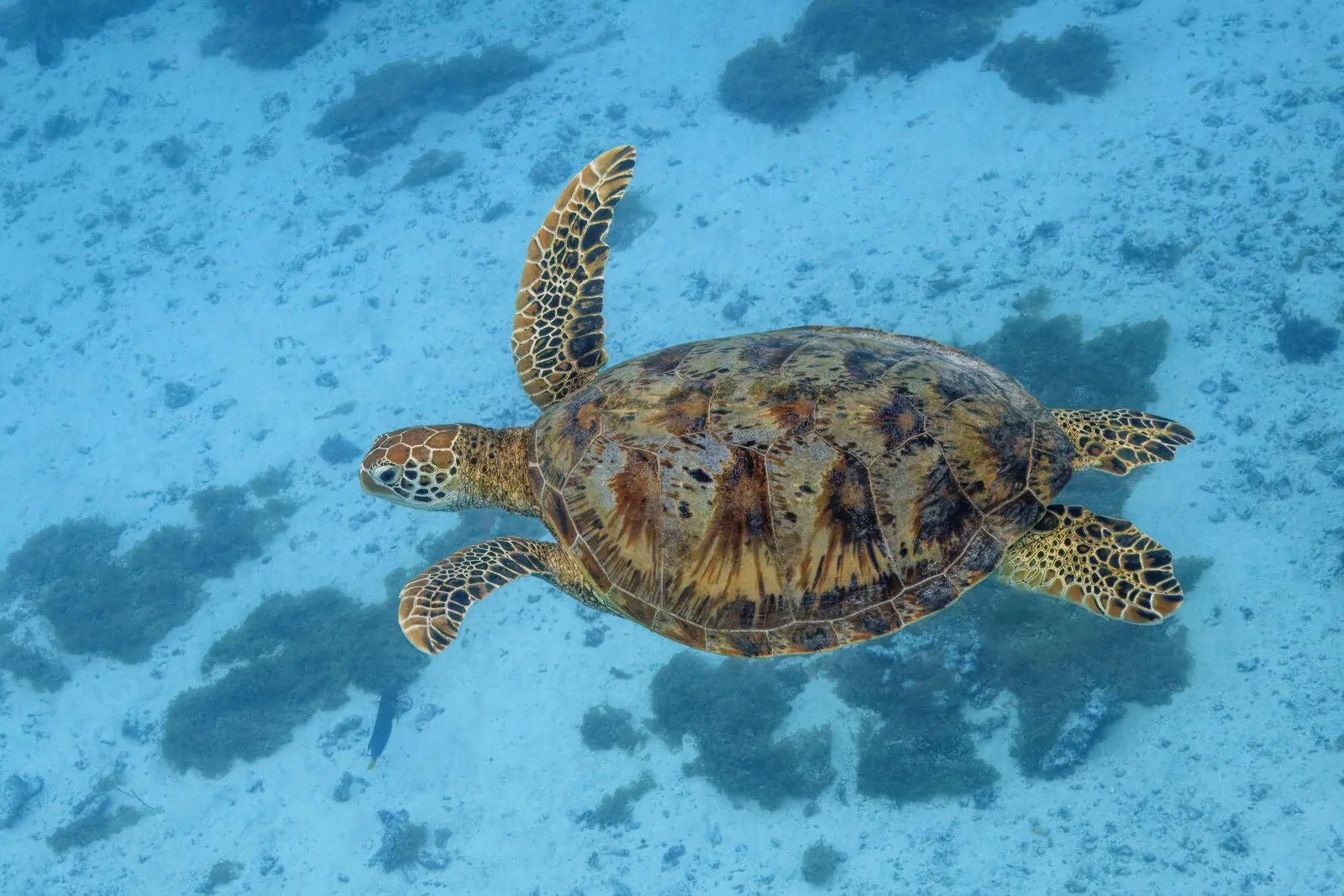
According to the plan, protecting Cabo Blanco-El Ñuro protects the first feeding zone for adult green turtles on the Peruvian coast.45 The plan notes that between September 2012 and October 2018, 117 nests were recorded on El Bravo beach, next to the southern limit of Punta Sal, which it describes as the most important nesting beach in Peru.47 All sea turtles in Peru are protected and their capture and trade are prohibited.47
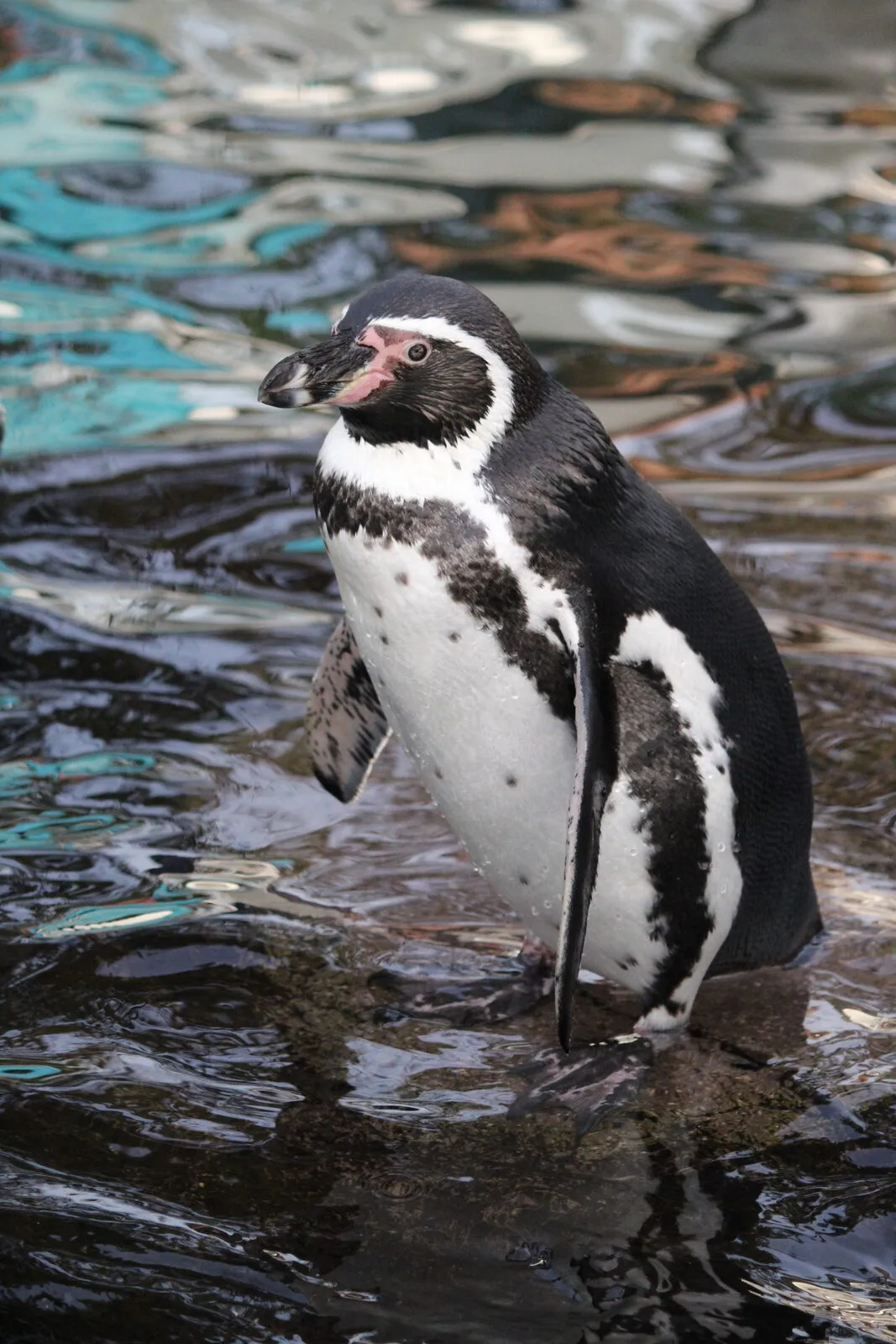
Isla Foca holds the northernmost breeding colony of the Humboldt penguin, an Endangered species, of which 130 individuals and 30 active nests were reported in 2004.48 The plan describes a fur seal colony of between 20 and 50 individuals, very sensitive to human presence, and two breeding colonies of South American sea lion with a population that does not exceed 2,000 individuals.49 Isla Foca is also an Important Bird Area.49
Among the fishes and invertebrates the plan mentions the giant grouper, the Panama graysby, the leopard grouper, the robalo, the parrotfish and the cherela.50 Of the giant grouper it says that it was common at Punta Sal, with records as far as El Ñuro, and that it is now extremely rare.11 All these species share similar habitats, so they are assessed with the same method and sampling effort and treated as a single conservation element, as a community.51

The plan separates the species for research from those for monitoring: the humpback whale, the whale shark, the hammerhead shark, and fishes and invertebrates.52 On the humpback whale, one passage says it uses the area from June to November.51 Another passage says the coast between Cabo Blanco and Punta Sal is a breeding and nursery area, especially from July to October.53 The whale shark has been studied since 2012, and the area between the Punta Sal resort and Punta Mero has the largest number of records in Peru.53 Off Punta Sal a large number of catches of small hammerhead sharks (Sphyrna zygaena) was also recorded, which suggests a nursery area.53
The five protocols and their schedule
Table 5 schedules a monitoring protocol for each of the five priority groups: it is drafted and approved and then implemented.54 The years are those of the plan, 1 to 5, within the 2026-2031 period.55
The Humboldt penguin protocol is drafted and approved in year 1 and implemented in years 2 to 5, with SERNANP-RNMTG, SERFOR and IMARPE responsible.56 The guano bird protocol is drafted in year 2 and implemented in years 3 to 5, with SERNANP-RNMTG, IMARPE and SERFOR.56 The fur seal and sea lion protocol is drafted in year 2 and implemented in years 3 to 5, with SERNANP-RNMTG and IMARPE.57

The turtle protocol is drafted in year 3 and implemented in years 4 and 5, with SERNANP-RNMTG, SERFOR and ECOCEANICA.56 The protocol for fishes and invertebrates of rocky reefs is drafted in year 3 and implemented in years 4 and 5, with SERNANP-RNMTG and IMARPE.57
With that schedule, one protocol is approved in year 1, two in year 2 and two in year 3.54 Table 4 sets the target at five protocols approved by Directoral Resolution, spread as 1, 1 and 3 over years 1 to 3.44 In the same table, the target for implementing the monitoring system is left to be set once the plan is approved.44
The schedule pages set dates and responsible parties; they do not give the methods, frequency or variables of each protocol.54
For research, Table 5 provides in years 1 to 5 for promoting studies on the whale shark, humpback whales and turtles, with IMARPE, AAF, Re:wild, NCI, WWF, Ecoceánica and ProDelphinus among those responsible.57 It also provides, in years 2 to 5, for field logistics for approved theses with research authorization from the Head Office, with the actors' boats, local guides and first-hand information.57 The target in Table 4 is five investigations, theses or studies, one per year.44
Fishing, tourism and research in the text of the plan
The plan recognizes artisanal fishing as a traditional economic and cultural practice that fits the aims of the reserve, and records that the Ministry of Culture recognized the use of traditional fishing sailboats and balsillas as cultural heritage of the nation.58 It identifies as one of the environmental problems that most affects the coastal ecosystem the illegal trawling for prawns within 5 miles and fishing with purse seines or boliche nets within the first 3 nautical miles.59 It describes gillnets as harmful because of bycatch and as an important cause of sea turtle mortality.60
In Isla Foca, compressor diving to capture benthic invertebrates may only be done on the west and southwest faces of the island, with prior notice of entry to the Head Office, and freediving only for benthic invertebrates.61 Within 300 m of the island and its islets, catching fish with a spear is not allowed.62 The plan temporarily prohibits gillnets, entangling nets and gear in contact with the seabed in the marine surroundings of Isla Foca, while IMARPE investigates.63
The plan states that whale and turtle watching has been carried out without ordering or control, and that one of the management objectives is to order the activity in order to avoid greater impacts on wildlife.59 Strategic objective 3 seeks to establish guidelines for the use of the landscape that do not compromise the ecological integrity or natural values of the area.64
Table 6 sets as targets three approved tourism planning documents, one per year in years 1 to 3, and three protocols for marine wildlife observation, one per year in years 3 to 5.65 Table 2, by contrast, asks for at least two approved tourism planning documents over five years.66 Table 7 provides for drafting and approving the documents in years 2 and 3 and implementing them in Cabo Blanco-El Ñuro, Isla Foca and Arrecifes de Punta Sal in years 2 to 5.67 It also provides for guides and tools for operators and training of tourism service providers in years 1 to 5.67
In Cabo Blanco-El Ñuro the plan includes recreational diving among the identified activities, and marine wildlife observation must follow the regulations of the competent authority and the area's management instruments.68 In the recovery zones of Punta Sal, tourism activities without infrastructure are only authorized in zones previously authorized by the Head Office.69 In Banco de Máncora, deep-sea sport fishing is allowed with catch and release for marlins, swordfish and sailfish, and for any species at some level of threat.38
In the sectors, research and monitoring for scientific, management or educational purposes are allowed with prior authorization from the Head Office.70 Handling of wildlife may only be done in scientific research studies with formal authorization or in management actions, such as releasing incidentally caught fauna.71
The plan says the reserve overlaps five oil blocks with current contracts, and that the contract for block Z-69 expired on 15 November 2025, so its pre-existing right also expired.72 For block Z-6, the text gives 7,184.3681 ha of overlap with Isla Foca and Table 12 gives 7,184.7240 ha.72 A new right of use requires the prior binding technical opinion of SERNANP.73
Species mentioned
- Lepidochelys olivacea
- Chelonia mydas
- Eretmochelys imbricata
- Spheniscus humboldti
- Pelecanus thagus
- Sula nebouxii
- Arctocephalus galapagoensis
- Epinephelus quinquefasciatus
- Scarus perrico
- Hippocampus ingens
- Rhincodon typus
- Megaptera novaeangliae
Sources (73)
- SERNANP (2026). Plan Maestro de la Reserva Nacional Mar Tropical de Grau 2026-2031. Lima: SERNANP, p. 10 del PDF. cdn.www.gob.pe
- SERNANP (2026). Listado oficial de áreas naturales protegidas de administración nacional con categoría definitiva, 9 de septiembre de 2026, p. 1 del PDF. cdn.www.gob.pe
- SERNANP (2026). Plan Maestro de la Reserva Nacional Mar Tropical de Grau 2026-2031. Lima: SERNANP, p. 11 del PDF. cdn.www.gob.pe
- SERNANP (2026). Plan Maestro de la Reserva Nacional Mar Tropical de Grau 2026-2031. Lima: SERNANP, p. 15 del PDF. cdn.www.gob.pe
- SERNANP (2026). Plan Maestro de la Reserva Nacional Mar Tropical de Grau 2026-2031. Lima: SERNANP, p. 19 del PDF. cdn.www.gob.pe
- SERNANP (2026). Plan Maestro de la Reserva Nacional Mar Tropical de Grau 2026-2031. Lima: SERNANP, pp. 23 y 24 del PDF. cdn.www.gob.pe
- SERNANP (2026). Plan Maestro de la Reserva Nacional Mar Tropical de Grau 2026-2031. Lima: SERNANP, p. 27 del PDF. cdn.www.gob.pe
- SERNANP (2026). Plan Maestro de la Reserva Nacional Mar Tropical de Grau 2026-2031. Lima: SERNANP, p. 32 del PDF. cdn.www.gob.pe
- SERNANP (2026). Plan Maestro de la Reserva Nacional Mar Tropical de Grau 2026-2031. Lima: SERNANP, p. 38 del PDF. cdn.www.gob.pe
- SERNANP (2026). Plan Maestro de la Reserva Nacional Mar Tropical de Grau 2026-2031. Lima: SERNANP, p. 13 del PDF. cdn.www.gob.pe
- SERNANP (2026). Plan Maestro de la Reserva Nacional Mar Tropical de Grau 2026-2031. Lima: SERNANP, p. 21 del PDF. cdn.www.gob.pe
- SERNANP (2026). Plan Maestro de la Reserva Nacional Mar Tropical de Grau 2026-2031. Lima: SERNANP, pp. 18, 23, 26 y 29 del PDF. cdn.www.gob.pe
- SERNANP (2026). Plan Maestro de la Reserva Nacional Mar Tropical de Grau 2026-2031. Lima: SERNANP, p. 40 del PDF. cdn.www.gob.pe
- SERNANP (2026). Plan Maestro de la Reserva Nacional Mar Tropical de Grau 2026-2031. Lima: SERNANP, p. 58 del PDF. cdn.www.gob.pe
- SERNANP (2026). Resolución de Presidencia Ejecutiva N.° 000052-2026-SERNANP/PE, San Isidro, 17 de febrero de 2026, p. 1 del PDF. cdn.www.gob.pe
- SERNANP (2026). Resolución de Presidencia Ejecutiva N.° 000052-2026-SERNANP/PE, San Isidro, 17 de febrero de 2026, p. 3 del PDF. cdn.www.gob.pe
- SERNANP (2026). Resolución de Presidencia Ejecutiva N.° 000052-2026-SERNANP/PE, San Isidro, 17 de febrero de 2026, p. 2 del PDF. cdn.www.gob.pe
- SERNANP (2026). Plan Maestro de la Reserva Nacional Mar Tropical de Grau 2026-2031. Lima: SERNANP, p. 8 del PDF. cdn.www.gob.pe
- SERNANP (2026). Plan Maestro de la Reserva Nacional Mar Tropical de Grau 2026-2031. Lima: SERNANP, p. 31 del PDF. cdn.www.gob.pe
- SERNANP (2026). Plan Maestro de la Reserva Nacional Mar Tropical de Grau 2026-2031. Lima: SERNANP, pp. 31, 32, 33 y 34 del PDF. cdn.www.gob.pe
- SERNANP (2026). Plan Maestro de la Reserva Nacional Mar Tropical de Grau 2026-2031. Lima: SERNANP, p. 78 del PDF. cdn.www.gob.pe
- SERNANP (2026). Plan Maestro de la Reserva Nacional Mar Tropical de Grau 2026-2031. Lima: SERNANP, p. 86 del PDF. cdn.www.gob.pe
- SERNANP (2026). Plan Maestro de la Reserva Nacional Mar Tropical de Grau 2026-2031. Lima: SERNANP, pp. 87 y 106 del PDF. cdn.www.gob.pe
- SERNANP (2026). Plan Maestro de la Reserva Nacional Mar Tropical de Grau 2026-2031. Lima: SERNANP, p. 93 del PDF. cdn.www.gob.pe
- SERNANP (2026). Plan Maestro de la Reserva Nacional Mar Tropical de Grau 2026-2031. Lima: SERNANP, p. 95 del PDF. cdn.www.gob.pe
- SERNANP (2026). Plan Maestro de la Reserva Nacional Mar Tropical de Grau 2026-2031. Lima: SERNANP, pp. 95 y 96 del PDF. cdn.www.gob.pe
- SERNANP (2026). Plan Maestro de la Reserva Nacional Mar Tropical de Grau 2026-2031. Lima: SERNANP, pp. 100 y 107 del PDF. cdn.www.gob.pe
- SERNANP (2026). Plan Maestro de la Reserva Nacional Mar Tropical de Grau 2026-2031. Lima: SERNANP, pp. 107 y 108 del PDF. cdn.www.gob.pe
- SERNANP (2026). Plan Maestro de la Reserva Nacional Mar Tropical de Grau 2026-2031. Lima: SERNANP, p. 109 del PDF. cdn.www.gob.pe
- SERNANP (2026). Plan Maestro de la Reserva Nacional Mar Tropical de Grau 2026-2031. Lima: SERNANP, p. 113 del PDF. cdn.www.gob.pe
- SERNANP (2026). Plan Maestro de la Reserva Nacional Mar Tropical de Grau 2026-2031. Lima: SERNANP, pp. 113 y 117 del PDF. cdn.www.gob.pe
- SERNANP (2026). Plan Maestro de la Reserva Nacional Mar Tropical de Grau 2026-2031. Lima: SERNANP, p. 115 del PDF. cdn.www.gob.pe
- SERNANP (2026). Plan Maestro de la Reserva Nacional Mar Tropical de Grau 2026-2031. Lima: SERNANP, p. 119 del PDF. cdn.www.gob.pe
- SERNANP (2026). Plan Maestro de la Reserva Nacional Mar Tropical de Grau 2026-2031. Lima: SERNANP, p. 121 del PDF. cdn.www.gob.pe
- SERNANP (2026). Plan Maestro de la Reserva Nacional Mar Tropical de Grau 2026-2031. Lima: SERNANP, p. 122 del PDF. cdn.www.gob.pe
- SERNANP (2026). Plan Maestro de la Reserva Nacional Mar Tropical de Grau 2026-2031. Lima: SERNANP, p. 88 del PDF. cdn.www.gob.pe
- SERNANP (2026). Plan Maestro de la Reserva Nacional Mar Tropical de Grau 2026-2031. Lima: SERNANP, p. 89 del PDF. cdn.www.gob.pe
- SERNANP (2026). Plan Maestro de la Reserva Nacional Mar Tropical de Grau 2026-2031. Lima: SERNANP, pp. 90 y 91 del PDF. cdn.www.gob.pe
- SERNANP (2026). Plan Maestro de la Reserva Nacional Mar Tropical de Grau 2026-2031. Lima: SERNANP, p. 92 del PDF. cdn.www.gob.pe
- SERNANP (2026). Plan Maestro de la Reserva Nacional Mar Tropical de Grau 2026-2031. Lima: SERNANP, p. 16 del PDF. cdn.www.gob.pe
- SERNANP (2026). Plan Maestro de la Reserva Nacional Mar Tropical de Grau 2026-2031. Lima: SERNANP, pp. 59 y 60 del PDF. cdn.www.gob.pe
- SERNANP (2026). Plan Maestro de la Reserva Nacional Mar Tropical de Grau 2026-2031. Lima: SERNANP, p. 60 del PDF. cdn.www.gob.pe
- SERNANP (2026). Plan Maestro de la Reserva Nacional Mar Tropical de Grau 2026-2031. Lima: SERNANP, pp. 58 y 61 del PDF. cdn.www.gob.pe
- SERNANP (2026). Plan Maestro de la Reserva Nacional Mar Tropical de Grau 2026-2031. Lima: SERNANP, p. 64 del PDF. cdn.www.gob.pe
- SERNANP (2026). Plan Maestro de la Reserva Nacional Mar Tropical de Grau 2026-2031. Lima: SERNANP, p. 41 del PDF. cdn.www.gob.pe
- SERNANP (2026). Plan Maestro de la Reserva Nacional Mar Tropical de Grau 2026-2031. Lima: SERNANP, pp. 41, 42, 43 y 44 del PDF. cdn.www.gob.pe
- SERNANP (2026). Plan Maestro de la Reserva Nacional Mar Tropical de Grau 2026-2031. Lima: SERNANP, p. 42 del PDF. cdn.www.gob.pe
- SERNANP (2026). Plan Maestro de la Reserva Nacional Mar Tropical de Grau 2026-2031. Lima: SERNANP, pp. 42 y 43 del PDF. cdn.www.gob.pe
- SERNANP (2026). Plan Maestro de la Reserva Nacional Mar Tropical de Grau 2026-2031. Lima: SERNANP, p. 43 del PDF. cdn.www.gob.pe
- SERNANP (2026). Plan Maestro de la Reserva Nacional Mar Tropical de Grau 2026-2031. Lima: SERNANP, pp. 43 y 44 del PDF. cdn.www.gob.pe
- SERNANP (2026). Plan Maestro de la Reserva Nacional Mar Tropical de Grau 2026-2031. Lima: SERNANP, p. 46 del PDF. cdn.www.gob.pe
- SERNANP (2026). Plan Maestro de la Reserva Nacional Mar Tropical de Grau 2026-2031. Lima: SERNANP, pp. 46 y 47 del PDF. cdn.www.gob.pe
- SERNANP (2026). Plan Maestro de la Reserva Nacional Mar Tropical de Grau 2026-2031. Lima: SERNANP, p. 47 del PDF. cdn.www.gob.pe
- SERNANP (2026). Plan Maestro de la Reserva Nacional Mar Tropical de Grau 2026-2031. Lima: SERNANP, pp. 66 y 67 del PDF. cdn.www.gob.pe
- SERNANP (2026). Plan Maestro de la Reserva Nacional Mar Tropical de Grau 2026-2031. Lima: SERNANP, p. 65 del PDF. cdn.www.gob.pe
- SERNANP (2026). Plan Maestro de la Reserva Nacional Mar Tropical de Grau 2026-2031. Lima: SERNANP, p. 66 del PDF. cdn.www.gob.pe
- SERNANP (2026). Plan Maestro de la Reserva Nacional Mar Tropical de Grau 2026-2031. Lima: SERNANP, p. 67 del PDF. cdn.www.gob.pe
- SERNANP (2026). Plan Maestro de la Reserva Nacional Mar Tropical de Grau 2026-2031. Lima: SERNANP, pp. 10 y 11 del PDF. cdn.www.gob.pe
- SERNANP (2026). Plan Maestro de la Reserva Nacional Mar Tropical de Grau 2026-2031. Lima: SERNANP, p. 14 del PDF. cdn.www.gob.pe
- SERNANP (2026). Plan Maestro de la Reserva Nacional Mar Tropical de Grau 2026-2031. Lima: SERNANP, pp. 13 y 14 del PDF. cdn.www.gob.pe
- SERNANP (2026). Plan Maestro de la Reserva Nacional Mar Tropical de Grau 2026-2031. Lima: SERNANP, pp. 120 y 127 del PDF. cdn.www.gob.pe
- SERNANP (2026). Plan Maestro de la Reserva Nacional Mar Tropical de Grau 2026-2031. Lima: SERNANP, p. 127 del PDF. cdn.www.gob.pe
- SERNANP (2026). Plan Maestro de la Reserva Nacional Mar Tropical de Grau 2026-2031. Lima: SERNANP, p. 126 del PDF. cdn.www.gob.pe
- SERNANP (2026). Plan Maestro de la Reserva Nacional Mar Tropical de Grau 2026-2031. Lima: SERNANP, p. 33 del PDF. cdn.www.gob.pe
- SERNANP (2026). Plan Maestro de la Reserva Nacional Mar Tropical de Grau 2026-2031. Lima: SERNANP, p. 68 del PDF. cdn.www.gob.pe
- SERNANP (2026). Plan Maestro de la Reserva Nacional Mar Tropical de Grau 2026-2031. Lima: SERNANP, p. 37 del PDF. cdn.www.gob.pe
- SERNANP (2026). Plan Maestro de la Reserva Nacional Mar Tropical de Grau 2026-2031. Lima: SERNANP, p. 69 del PDF. cdn.www.gob.pe
- SERNANP (2026). Plan Maestro de la Reserva Nacional Mar Tropical de Grau 2026-2031. Lima: SERNANP, pp. 109 y 110 del PDF. cdn.www.gob.pe
- SERNANP (2026). Plan Maestro de la Reserva Nacional Mar Tropical de Grau 2026-2031. Lima: SERNANP, p. 97 del PDF. cdn.www.gob.pe
- SERNANP (2026). Plan Maestro de la Reserva Nacional Mar Tropical de Grau 2026-2031. Lima: SERNANP, pp. 90, 96, 110 y 128 del PDF. cdn.www.gob.pe
- SERNANP (2026). Plan Maestro de la Reserva Nacional Mar Tropical de Grau 2026-2031. Lima: SERNANP, p. 111 del PDF. cdn.www.gob.pe
- SERNANP (2026). Plan Maestro de la Reserva Nacional Mar Tropical de Grau 2026-2031. Lima: SERNANP, p. 79 del PDF. cdn.www.gob.pe
- SERNANP (2026). Plan Maestro de la Reserva Nacional Mar Tropical de Grau 2026-2031. Lima: SERNANP, p. 112 del PDF. cdn.www.gob.pe